
The sticker price is only part of the story
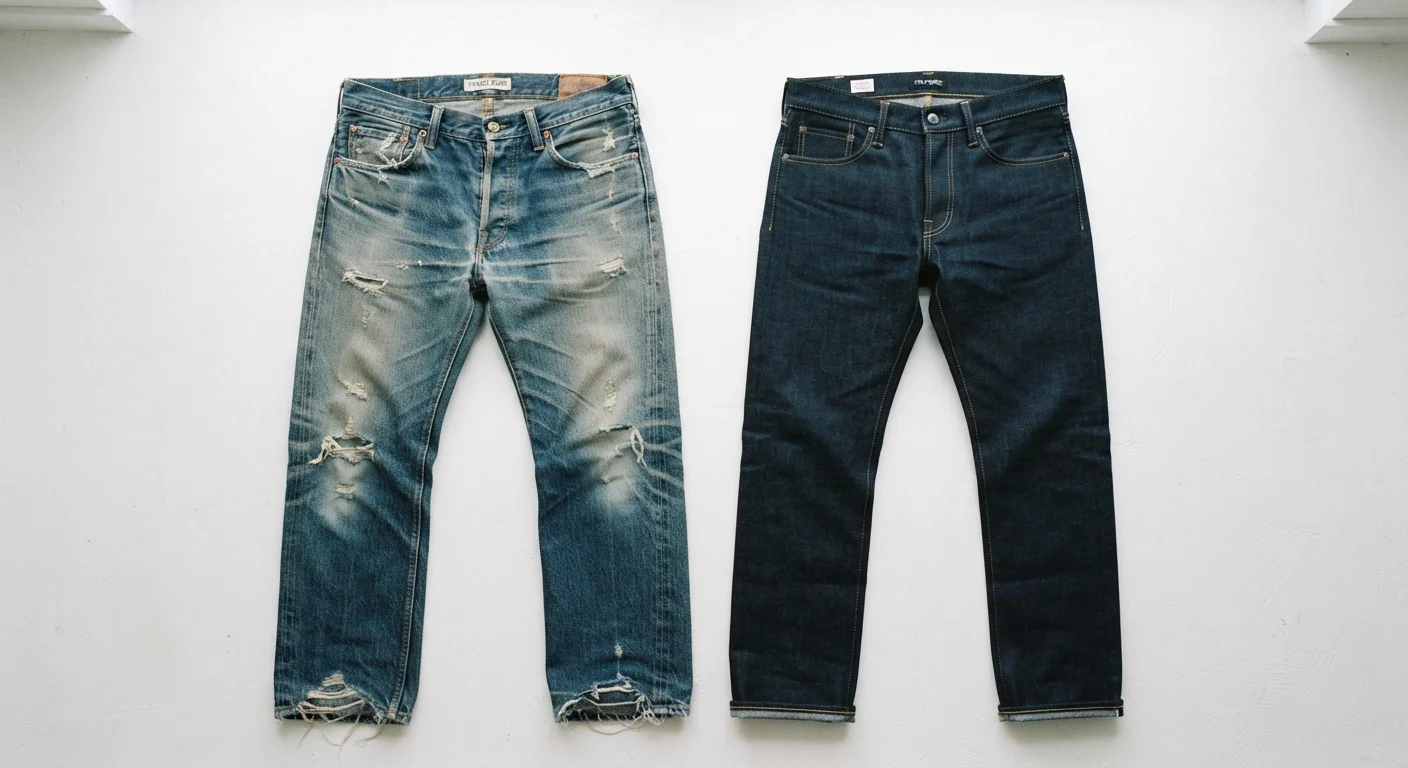
When a shirt costs $12, it looks like a win. But if it pills after three washes, fades after five, and gets tossed after two months, you spent $12 for roughly 10 wears. That is $1.20 per wear. A $45 shirt that holds its shape for two years of regular use, say 80 wears, costs $0.56 per wear. The cheaper option cost more.
This is the cost-per-wear calculation, and it reframes how clothing purchases actually work. It does not require precise tracking: a rough estimate of how often you will wear something and how long it will last is enough to make the math useful.
The calculation also gets more complicated when you fold in replacement costs. Buying three $15 versions of the same item over 18 months costs $45 total. Buying one $40 version that lasts the same period costs $40. The math can flip on you at either end.
What actually determines how long clothing lasts
Two factors predict garment longevity more reliably than price: fabric content and construction quality.
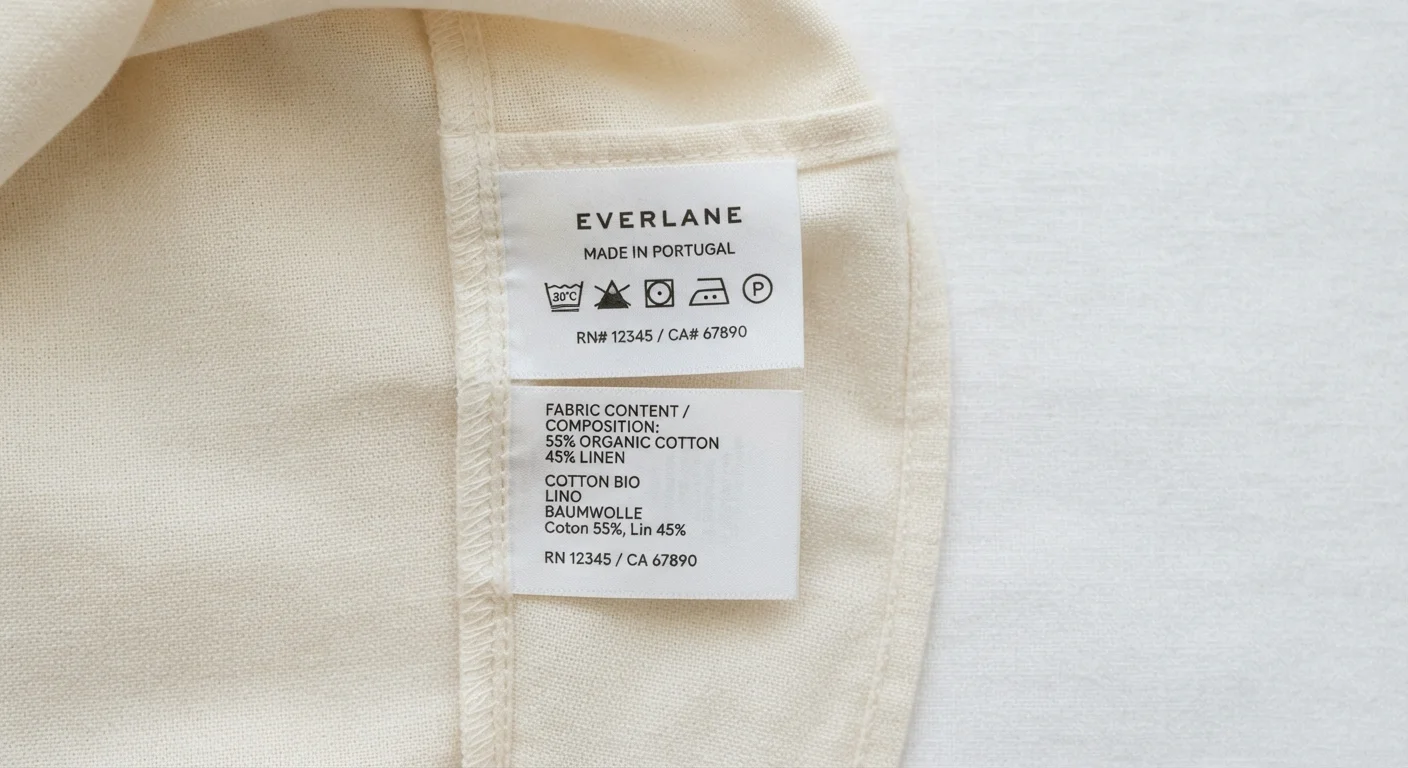
Fabric weight and fiber type matter. A densely woven cotton holds up to washing far better than a loosely knit synthetic blend at the same price. Thin, stretchy polyester fabrics are common in low-cost garments because they are cheap to produce, but they are prone to pilling, distortion, and static after repeated washing. Our guide on what clothing labels actually tell you walks through how to read fiber content before you buy.
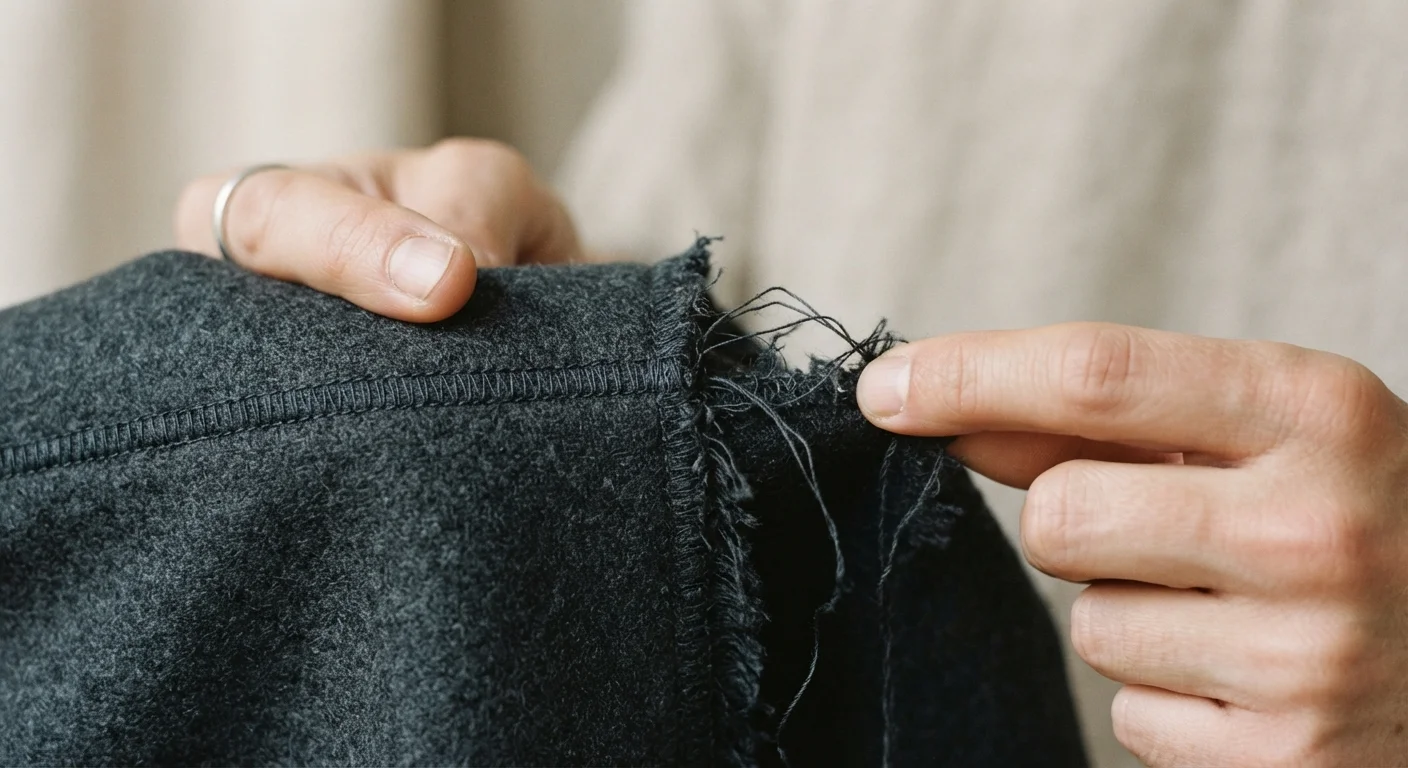
Construction quality is visible at the seam. A reinforced seam with tightly spaced stitching and a generous seam allowance (the fabric margin between the stitch line and the edge) can survive dozens of wash cycles. A narrow seam with loose stitching will pull apart. Check the seams at the underarm and the crotch, both high-stress areas, before purchasing.
Closures matter too. Zippers set into reinforced tape, and buttons sewn with a shank (a small thread stem that lets the button move freely), last longer than flat-sewn buttons or cheap nylon zippers without seam backing.
Hidden costs that inflate the real price
Replacement is the most obvious hidden cost, but it is not the only one. Some lower-cost items require dry cleaning or hand-washing that adds time and money per wear. A garment that runs small or fits inconsistently may need alterations to be wearable at all. Those alteration costs belong in the total.
For more on when repairs make financial sense, see our piece on clothing alterations and repairs. A $10 seam repair on a $50 jacket you love is a different calculation than a $10 repair on a $15 shirt you already half-regret.
3x
Estimated replacement rate for low-quality basics vs. durable ones
A commonly cited rule of thumb in consumer durability discussions, though actual rates vary by garment type and care habits.
~$1,700
Average annual U.S. household spend on apparel and footwear
Based on U.S. Bureau of Labor Statistics Consumer Expenditure Survey data, which tracks average spending patterns across household categories.
Storage also plays a quiet role. A wardrobe stuffed with low-use items that were bought because they were cheap takes up physical space and makes it harder to use what you own. That is a soft cost rather than a dollar amount, but it affects the practical value of a purchase.
When lower-priced clothing makes sense
Cost per wear is not an argument against affordable clothing. It is a tool for thinking clearly about any purchase.
Trend-driven pieces worn a few times in a single season may be a reasonable fit for a lower price point. The same logic applies to clothing worn in situations where damage is likely: painting, gardening, or heavy outdoor work. For these cases, buying cheap is a rational choice because the expected wear count is low regardless of quality.
The calculation shifts for items worn frequently across many contexts. Everyday trousers, a reliable jacket, sturdy footwear, basic knitwear: these are the pieces where construction quality pays off over time. Our reference on wardrobe basics every adult should own covers which categories tend to get the most use.
How you care for clothing also affects the math. Proper washing, drying, and storage habits extend garment life regardless of what you paid. See caring for your clothes so they last for habits that make a measurable difference.