
What makes a clothing item a "basic"
A wardrobe basic is a piece that works across multiple outfits, seasons, and settings without requiring much coordination effort. It holds its appearance through repeated wearing and washing, and it does not depend on a current trend to look appropriate. That combination of flexibility and durability is what separates a genuine staple from a filler item that only seemed useful in the store.
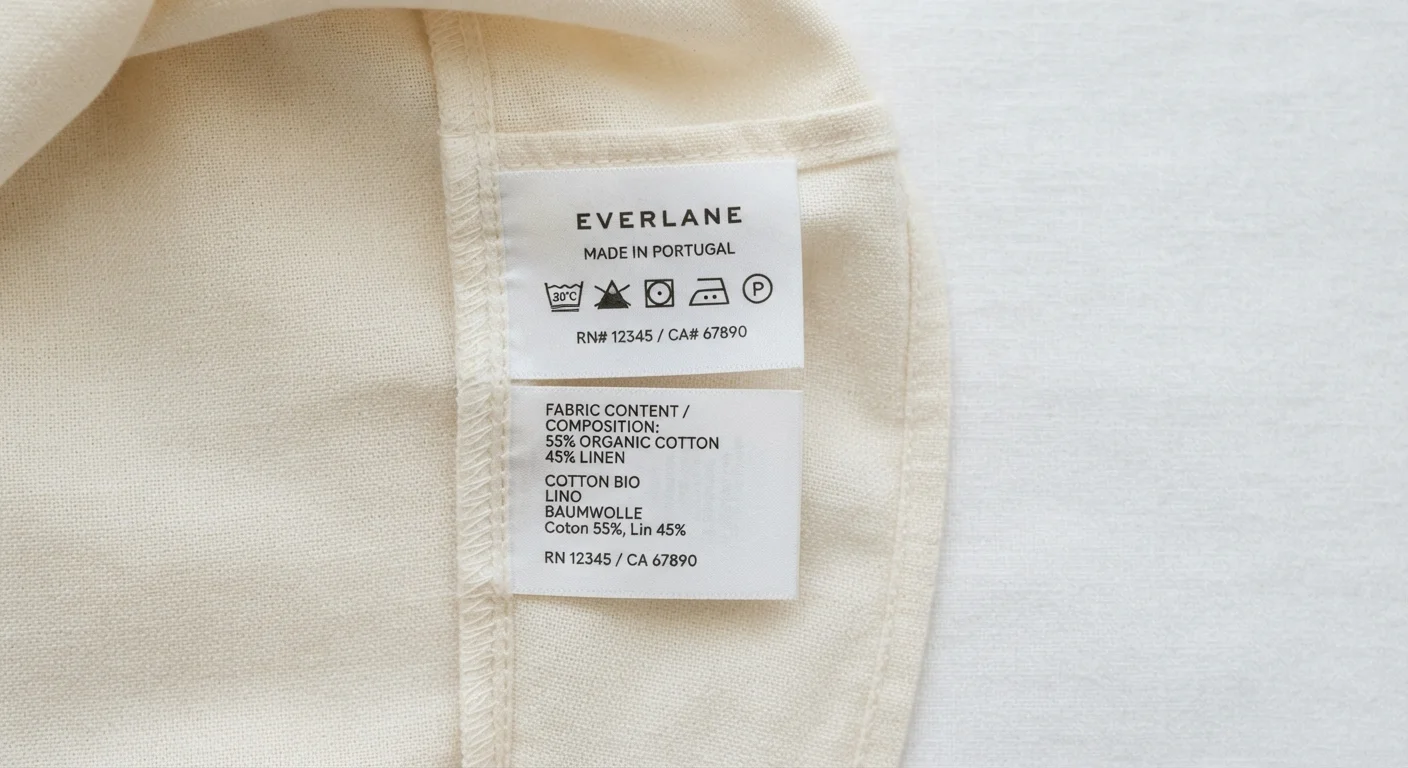
Before filling gaps in your closet, it helps to understand what the labels on your current pieces actually say about their construction. The fabric content and care symbols on clothing tags tell you whether a piece can handle regular laundering or will need special treatment that adds time and cost.
| Minimum pieces for a functional wardrobe | Roughly 10 to 15 core items |
| Most versatile color palette | Navy, white, gray, black, khaki |
| Fabrics that hold shape longest | Cotton-poly blends, wool, ponte knit |
| Seasonal rotation recommended | Twice per year (spring/summer and fall/winter) |
| Most skipped essential | A well-fitting blazer or structured layer |
The core pieces worth owning
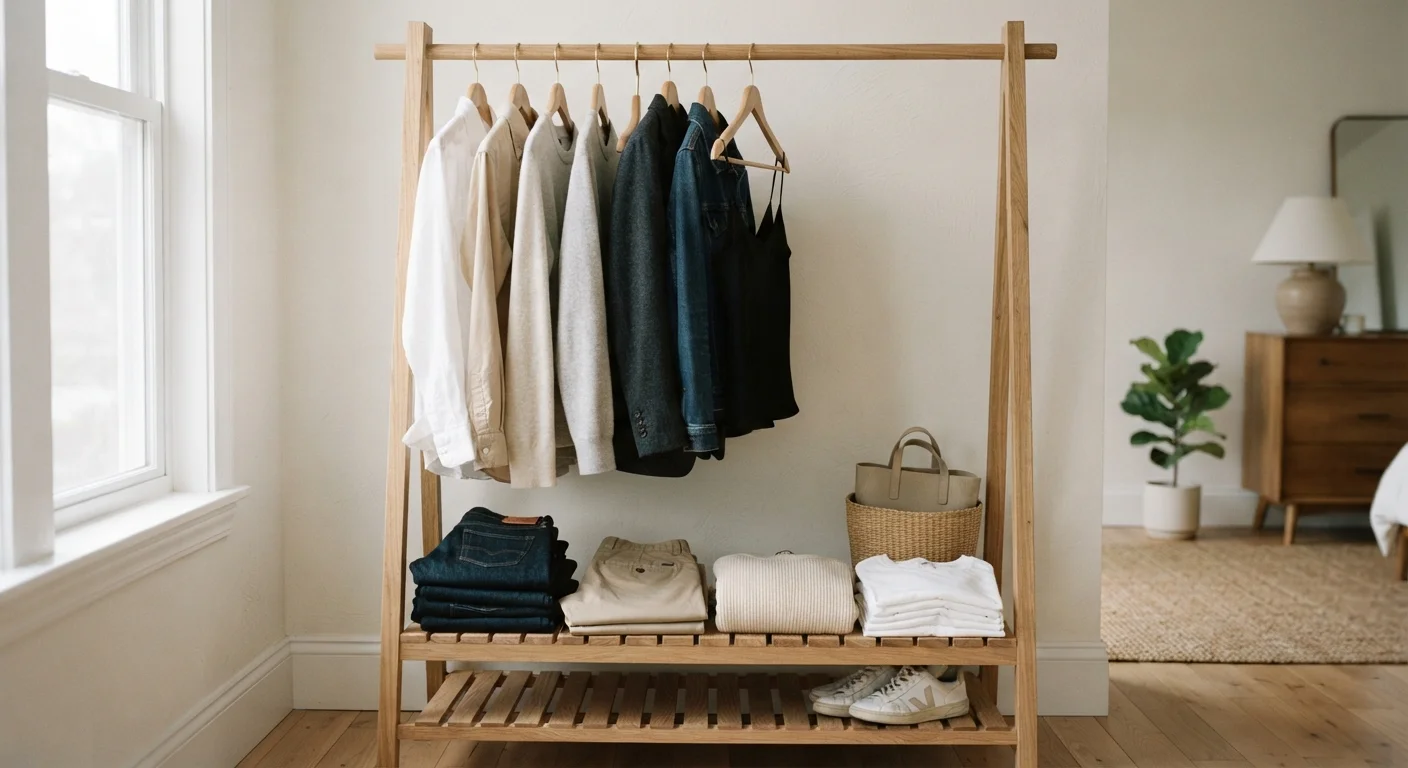
These categories cover the widest range of everyday American life, from casual weekends to office settings to family events.
Tops
- A plain crewneck or V-neck tee in white, gray, or navy. Solid colors layer and pair more easily than prints.
- A button-front shirt in a neutral color. It moves between casual and semi-formal depending on what you wear it with.
- A lightweight crewneck sweatshirt or pullover for cooler weather and layering.
Bottoms
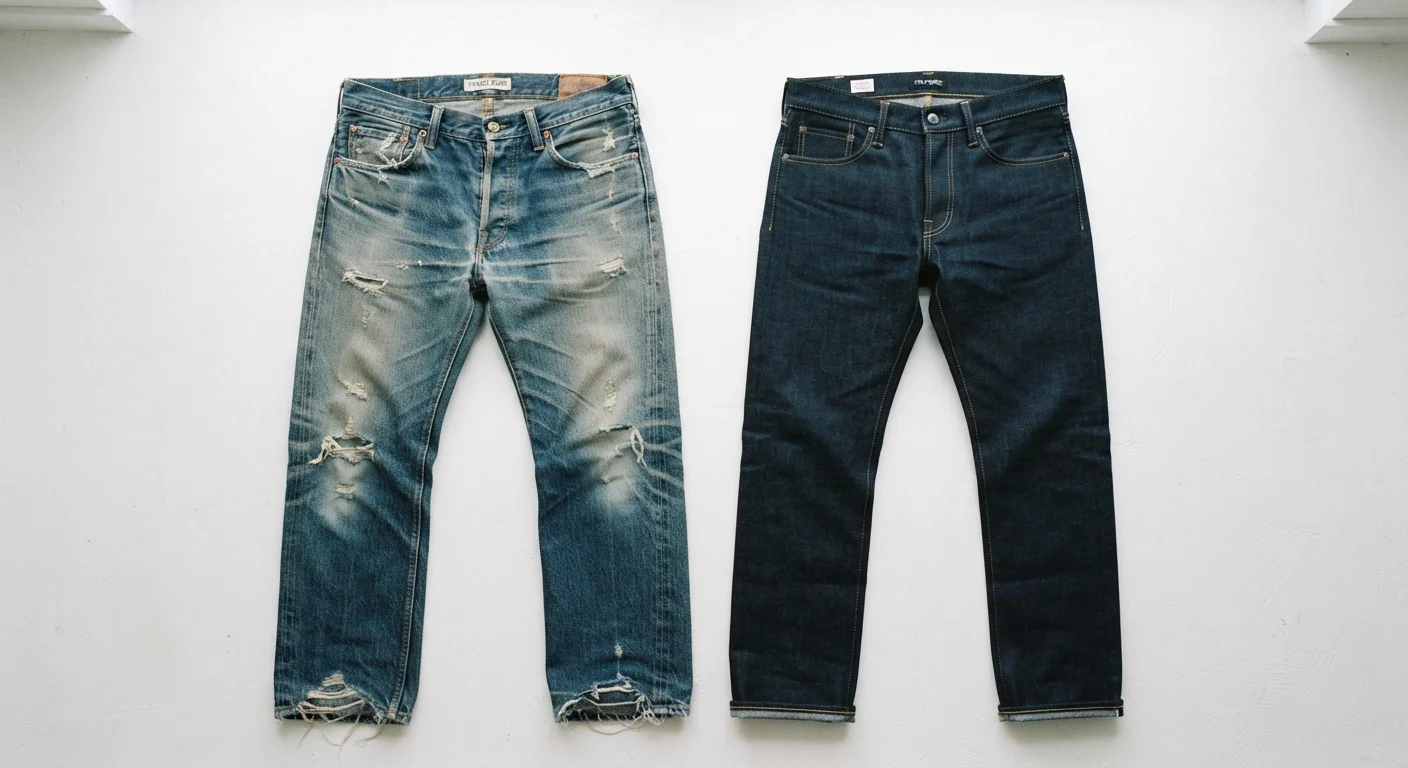
- Dark-wash straight or slim jeans. Dark denim reads more formally than light wash and works in more settings.
- A pair of well-fitting chinos or trousers in khaki, navy, or charcoal.
Layers
- A cardigan or lightweight knit in a neutral tone. It adds warmth without the bulk of a jacket.
- A structured blazer or sport coat. This single piece can elevate almost any outfit for a meeting, dinner, or event.
Footwear
- A clean pair of white or gray sneakers with a low-profile sole.
- One pair of closed-toe shoes or loafers that work for semi-formal occasions.
Outerwear
- A mid-weight jacket, such as a quilted vest, bomber, or field jacket, suited to your region's climate.
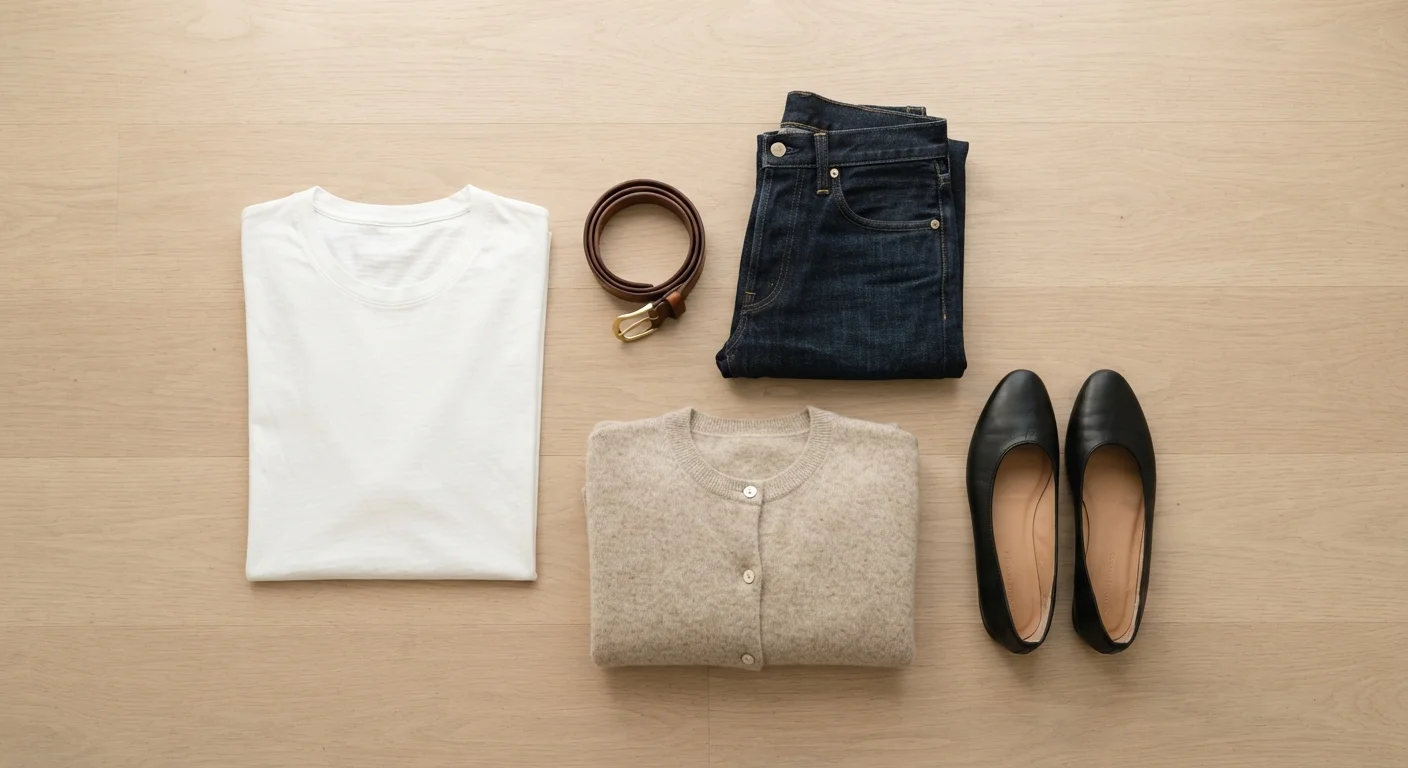
Owning fewer pieces that work harder together costs less over time than owning many pieces with narrow use cases. The real cost-per-wear math behind clothing purchases is worth understanding before you decide how much to spend on any one item.
Making the list work for your life
No single list fits every person's job, climate, or routine. Someone who works from home needs different proportions than someone who commutes to an office five days a week. The point of a basics framework is to identify what you actually reach for, then fill genuine gaps rather than accumulating variety for its own sake.
A good starting exercise: spend one week noting which items you skipped over when getting dressed and why. Pieces that stay on the hanger most of the time are either the wrong fit, the wrong color for your wardrobe, or simply not basics for your life.
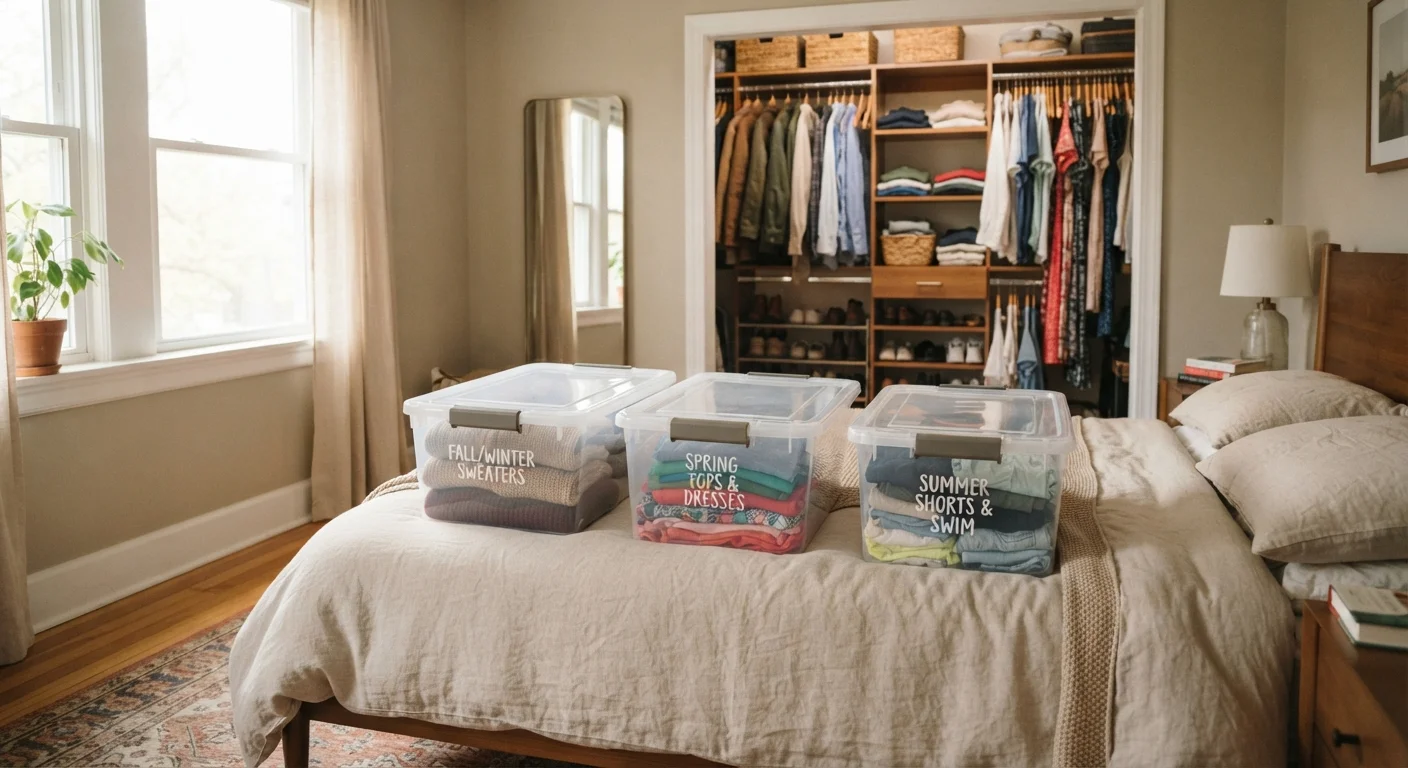
Once your foundation is solid, rotating pieces between seasons becomes straightforward. A step-by-step seasonal switchover checklist can help you spot what needs replacing before a new season begins rather than scrambling at the last minute.
How you care for these pieces determines how long they stay useful. Simple washing, drying, and storage habits add months or years to everyday clothing without much extra effort. And when you do feel uncertain about what to wear for a specific occasion, a practical guide to dress codes and outfit formulas can remove the guesswork.