
Why clothes wear out faster than they should
Most clothing fails long before the fabric itself gives up. The culprit is usually routine care done wrong: water that is too hot, a spin cycle that is too aggressive, or a dryer setting meant for towels applied to a jersey shirt. Every wash puts mechanical and thermal stress on fibers. Reduce that stress consistently, and the same piece can last years longer.
The math is straightforward. A well-cared-for garment worn 200 times costs far less per wear than one worn 40 times before it pills, fades, or shrinks. If that framing is useful, why cheap clothes often cost more in the long run works through the full cost-per-wear calculation.
Washing practices that protect fabric
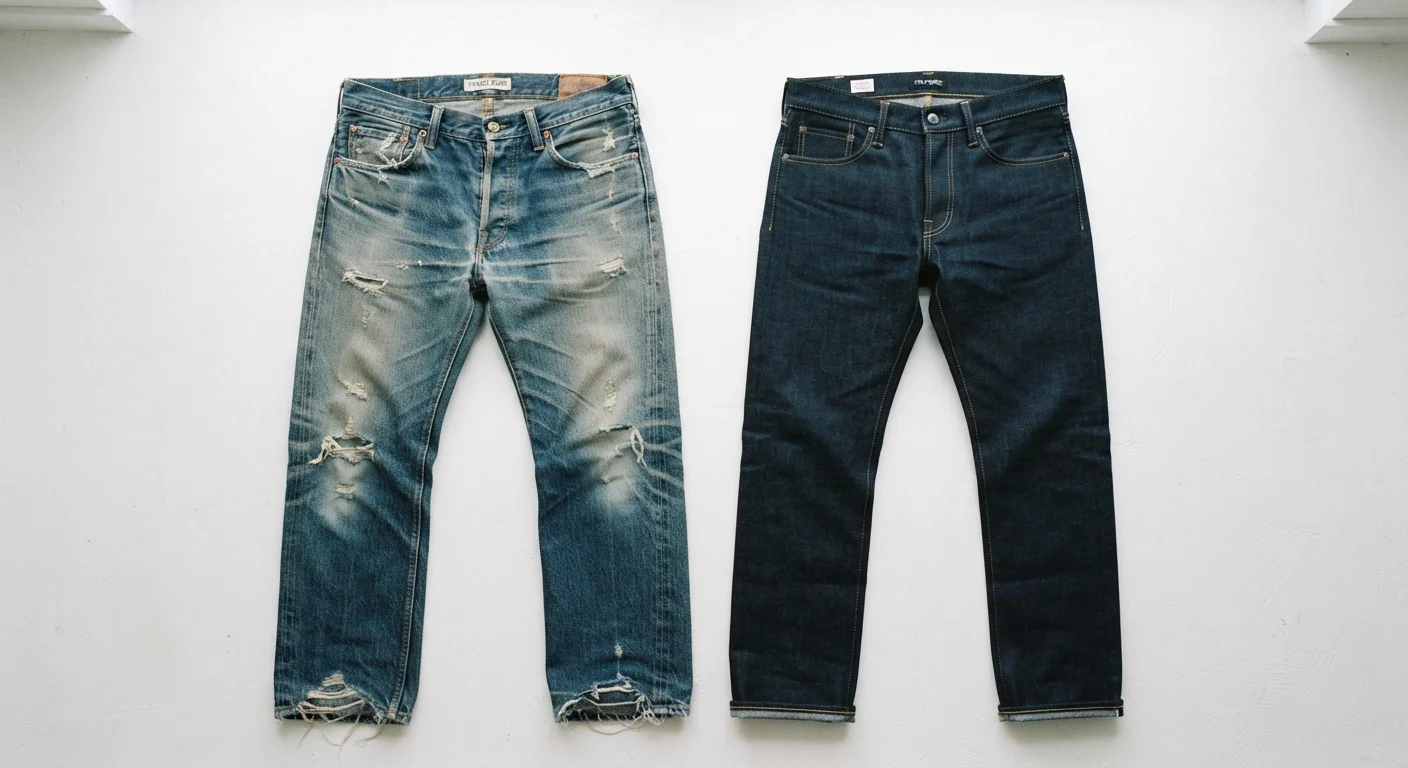
Cold water (60 degrees Fahrenheit or below) is the single most protective wash setting for everyday clothing. It slows color fading, reduces shrinkage in cotton and wool, and uses less energy. Reserve warm or hot water for heavily soiled items, bed linens, and towels.
Turn garments inside out before loading them. The agitator and drum rub against fabric throughout the cycle; inside out means that friction hits the inside surface, not the face you see when wearing the piece. This alone slows pilling and fading noticeably on dark colors and printed fabrics.
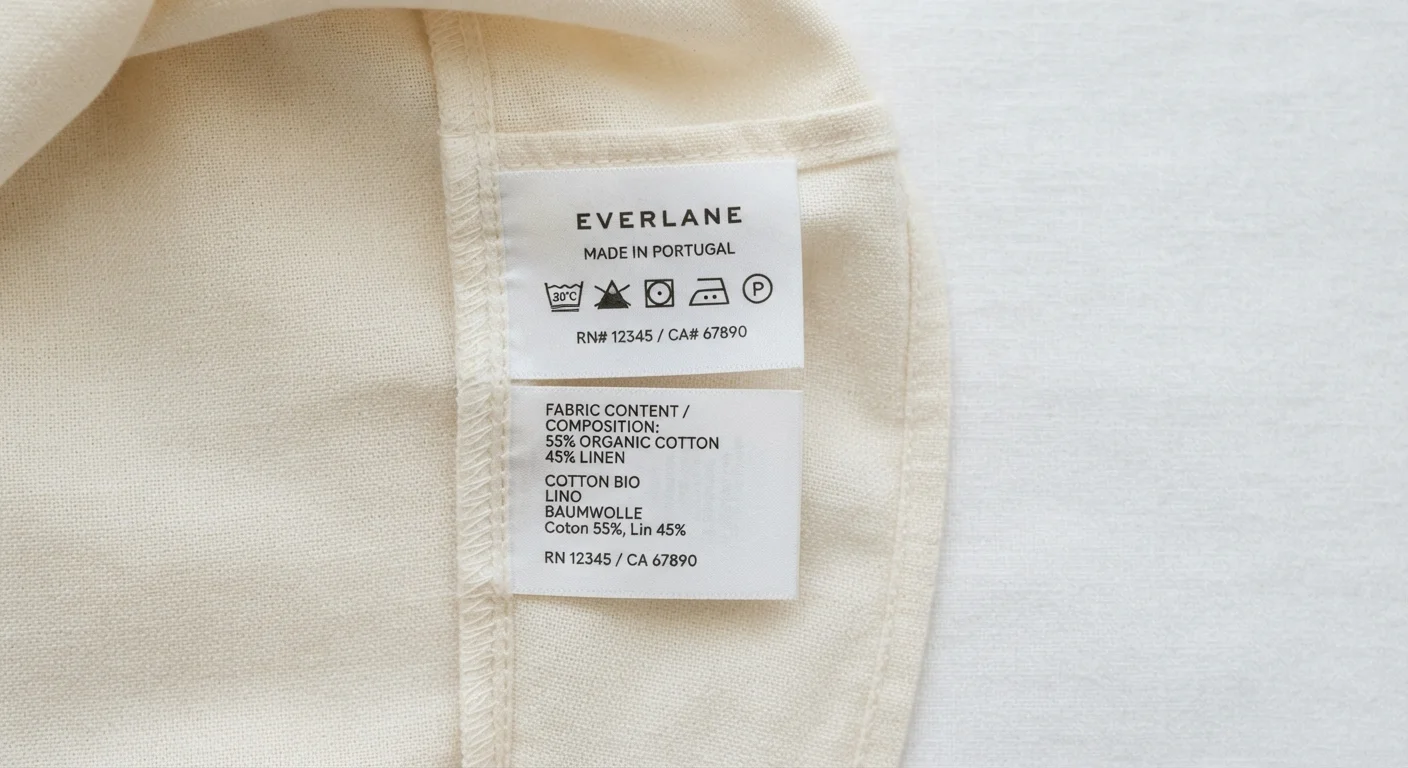
Use the gentle or delicate cycle for anything knitted, stretchy, or labeled with a hand-wash symbol. Normal cycles are fine for woven cottons and synthetic blends. If a label shows a hand in a tub of water, that means hand wash only. Clothing labels carry standardized care symbols that take the guesswork out of this.
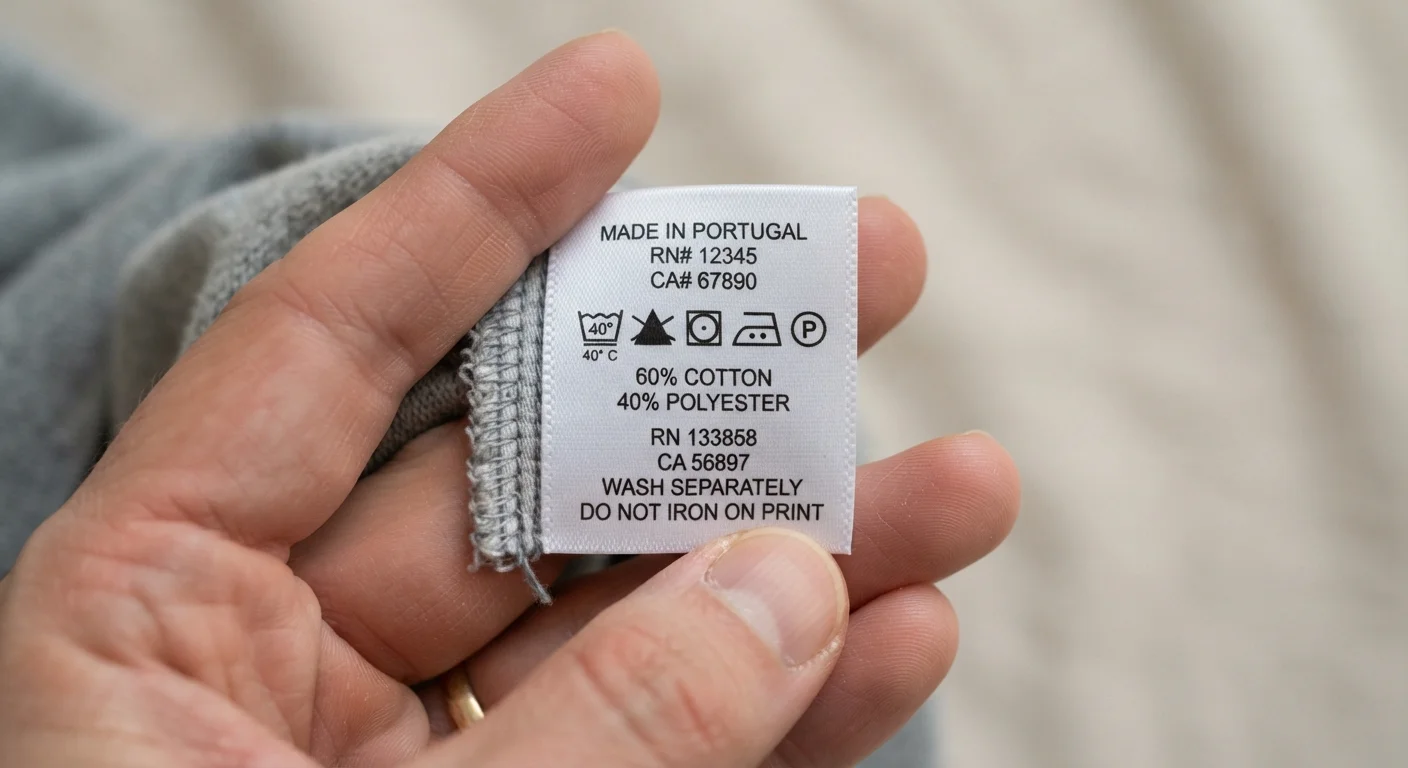
Wash in cold water and turn garments inside out for every load
Hot water accelerates dye loss and causes fibers to contract. Washing inside out protects the visible face of the fabric from drum abrasion.
Air dry knitwear flat rather than hanging or machine drying
Gravity pulls a wet knit downward when it is hung, permanently stretching the shoulders and hem. Machine heat degrades elastane fibers.
Read care labels before the first wash, not after something goes wrong
Care symbols are standardized and give direct washing, drying, and ironing instructions specific to the fabric blend. Ignoring them is the most common cause of preventable damage.
Treat stains immediately with cold water and a gentle pre-treatment
Stains bond to fibers over time, and heat from a dryer sets them permanently. Early action keeps options open.
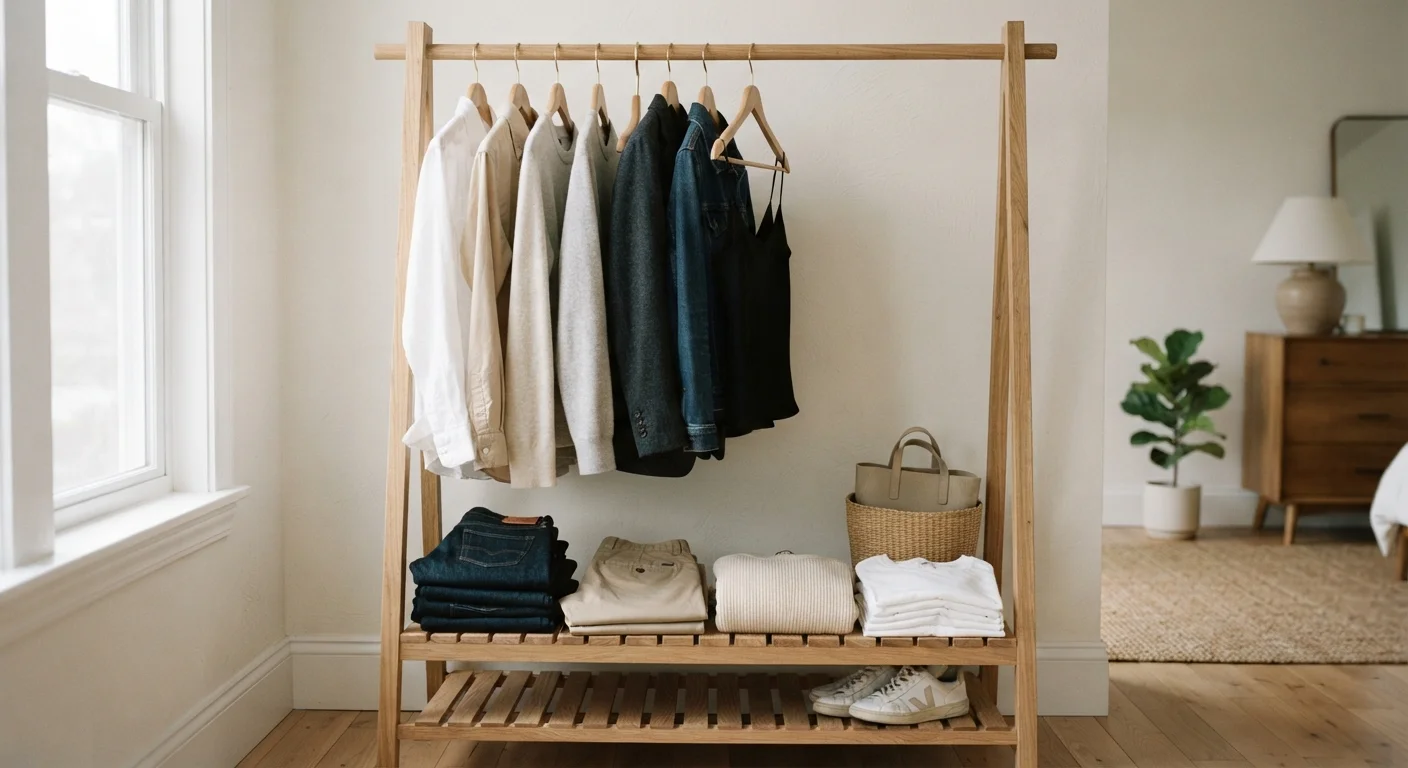
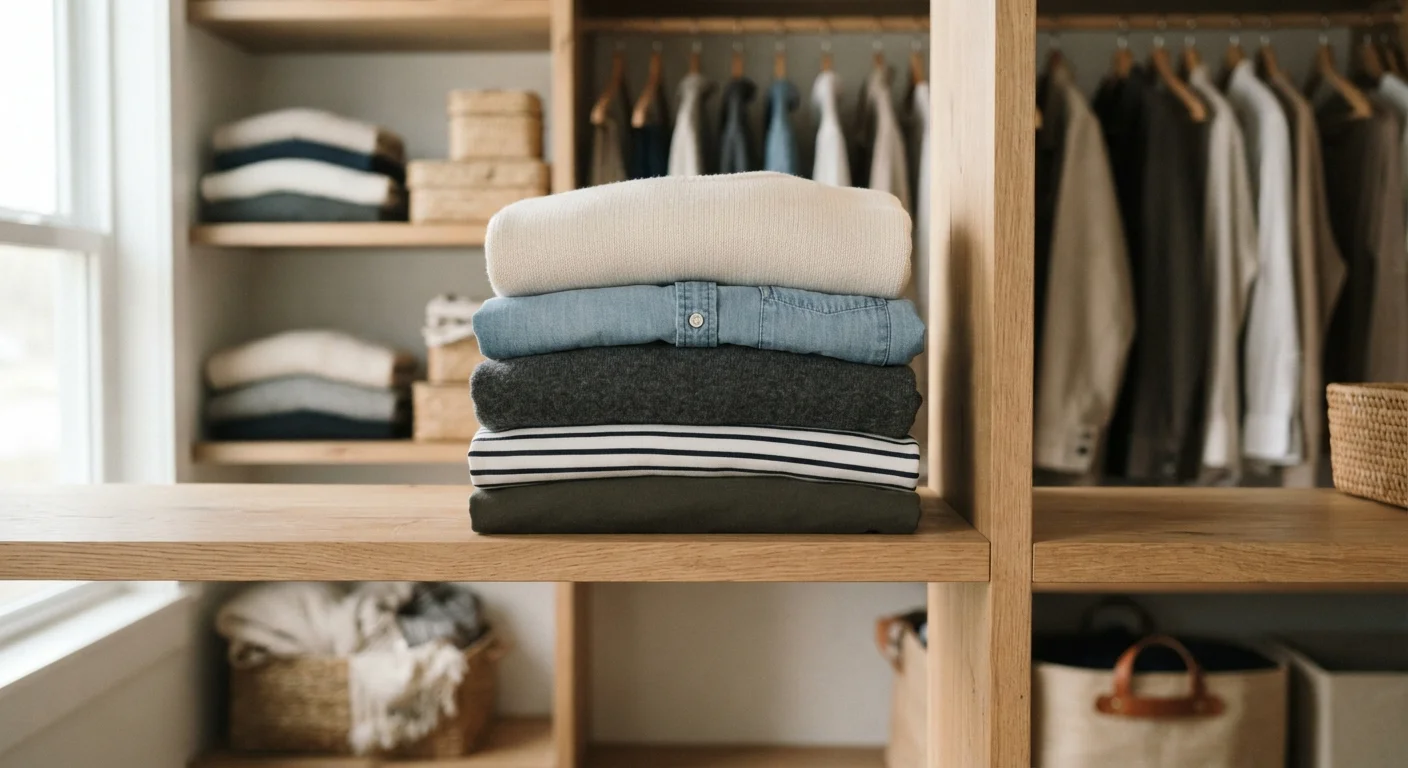
Store folded knits on a shelf and use padded hangers for structured pieces
Wire hangers deform shoulders on jackets and blazers. Hanging heavy knits causes irreversible stretch.
Drying without the damage
The dryer causes more fiber damage than the washing machine does. High heat shrinks natural fibers, weakens elastic, and sets any stain you missed before washing. Air drying on a flat surface or a rack is the gentler option for knitwear, delicates, and anything with spandex content.
When you do use a dryer, the low-heat or permanent-press setting covers most everyday garments safely. Remove clothes while they still hold a little moisture, then hang or fold immediately. Over-drying is what stiffens fabric and makes cotton feel scratchy over time.
Storage habits that add years to a wardrobe
Hanging knits stretches them out of shape. Fold sweaters, heavy cardigans, and knit dresses instead of putting them on hangers. Padded or contoured hangers work better than wire ones for structured jackets and dress shirts because wire hangers leave shoulder bumps that can be difficult to remove.
Keep clothing in a cool, dry space away from direct sunlight. UV exposure fades fabric the same way it fades paint. Cedar blocks or sachets deter moths in wool storage without the harsh chemical smell of mothballs.
A full wardrobe of pieces worth protecting is worth building thoughtfully. Wardrobe basics every American adult should own covers the staples that hold up best over time.
Stains, repairs, and when to act
Treat stains before washing, not after. Heat from the dryer sets protein stains (blood, dairy, egg) and oil permanently. Cold water and a small amount of dish soap or enzyme-based laundry pre-treatment handles most fresh stains when applied within a few hours.
When a seam splits or a button loosens, a quick repair costs minutes and extends the garment's life significantly. Clothing alterations and repairs explains which fixes are worth the time and which situations genuinely call for replacement.