
What you're actually paying for
The sticker price on a fast fashion item is real, but it reflects a specific trade-off: low-cost synthetic blends, thinner construction, and manufacturing optimized for speed over durability. A $12 polyester top is priced that way because it costs very little to produce. That is not inherently bad, but it shapes how long the garment lasts and how it feels after ten washes.
Thrift store pricing reflects something different. You are paying for a garment that already exists, so there is no production markup tied to trend cycles. Prices vary widely by store type: charity-run thrift shops tend to price lower than curated consignment boutiques. The garment's condition, fabric, and brand backstory all affect what you find on the rack.
For a fuller picture of how purchase price relates to actual cost over time, see why cheap clothes often cost more in the long run.
| Criterion | Thrift store shopping | Fast fashion retail |
|---|---|---|
| Typical price per item | Low, varies widely by store | Low to moderate, consistent |
| Sizing consistency | Varies; older labels run differently | Standardized charts per brand |
| Fabric quality | Often heavier; varies by era | Frequently thin synthetics |
| Item availability | Unpredictable, changes daily | Consistent stock by season |
| Environmental footprint | Extends existing garment life | High production and disposal volume |
| Return policy | Usually none | Typically available |
| Time to find what you need | Higher; requires browsing | Lower; searchable online or in-store |
Fabric and construction quality
Fabric content is the most reliable signal of durability in either shopping channel. Fast fashion lines frequently use polyester, acrylic, and blended fabrics that are lighter and less breathable than cotton, wool, or linen. Thin weaves pill faster and lose shape more quickly under regular wear and washing.
Older garments found in thrift stores were often made before the industry shifted heavily toward lightweight synthetics, so secondhand racks sometimes hold pieces with thicker construction than what is available new at a comparable price. That said, thrift stores also carry plenty of fast fashion items that previous owners donated, so fabric quality still varies.
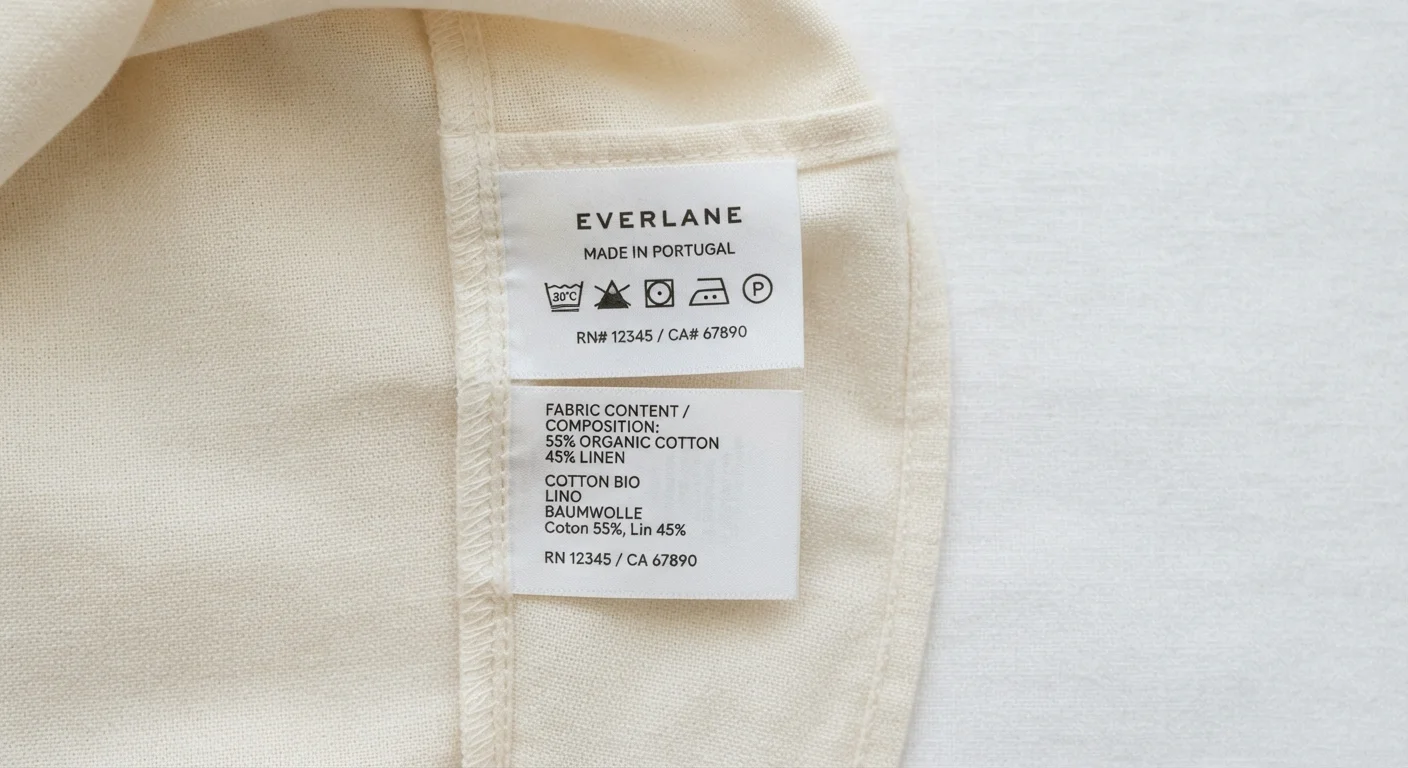
Reading clothing labels helps you compare across both channels. Fabric labels tell you more than care instructions, including the fiber content that predicts how a piece will wear over time.
Environmental and practical trade-offs
Buying secondhand extends a garment's usable life and keeps it out of landfill longer. Fast fashion, by contrast, is produced at high volume with short trend windows, which contributes to textile waste when items are discarded after minimal wear. The environmental picture is not simple: shipping, packaging, and store operations all carry their own footprints, but the basic principle holds that wearing something longer is less wasteful than replacing it frequently.
On the practical side, fast fashion stores carry predictable sizing, consistent stock, and easy return policies. Thrift shopping requires more time: inventory changes daily, sizing labels from older garments can run differently than modern standards, and there are no returns at most charity shops. If your schedule is tight, that unpredictability matters.
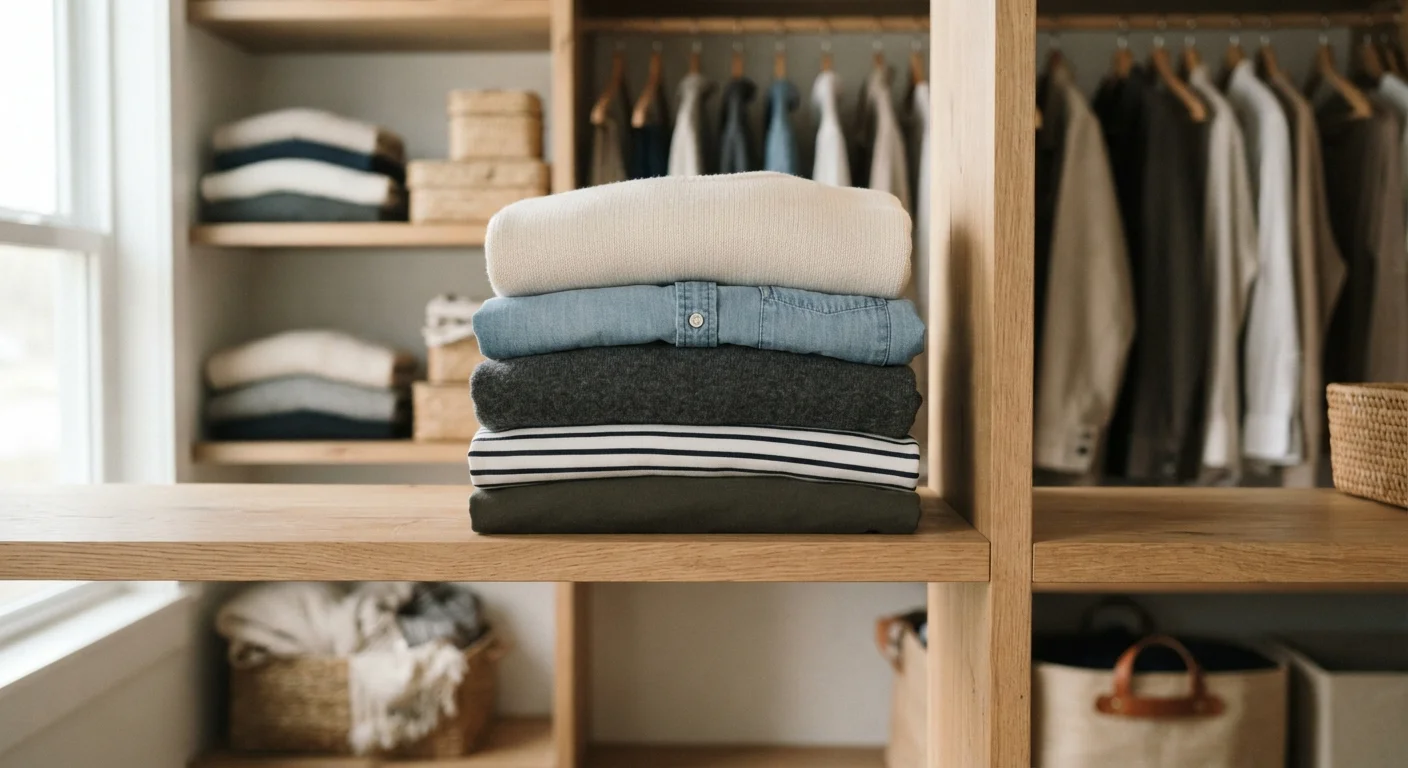
Whichever route you take, how you care for what you own shapes longevity as much as where you bought it. Simple washing and storage habits can add years to any garment.
A note on 'sustainable' labeling
Some fast fashion retailers market certain lines as eco-friendly or sustainable. These claims are not regulated the same way as, for example, food certifications, so they can be difficult to verify independently. If environmental impact matters to your decision, looking at fabric content and expected garment lifespan gives you more concrete information than a marketing label alone.
When repairs change the calculation
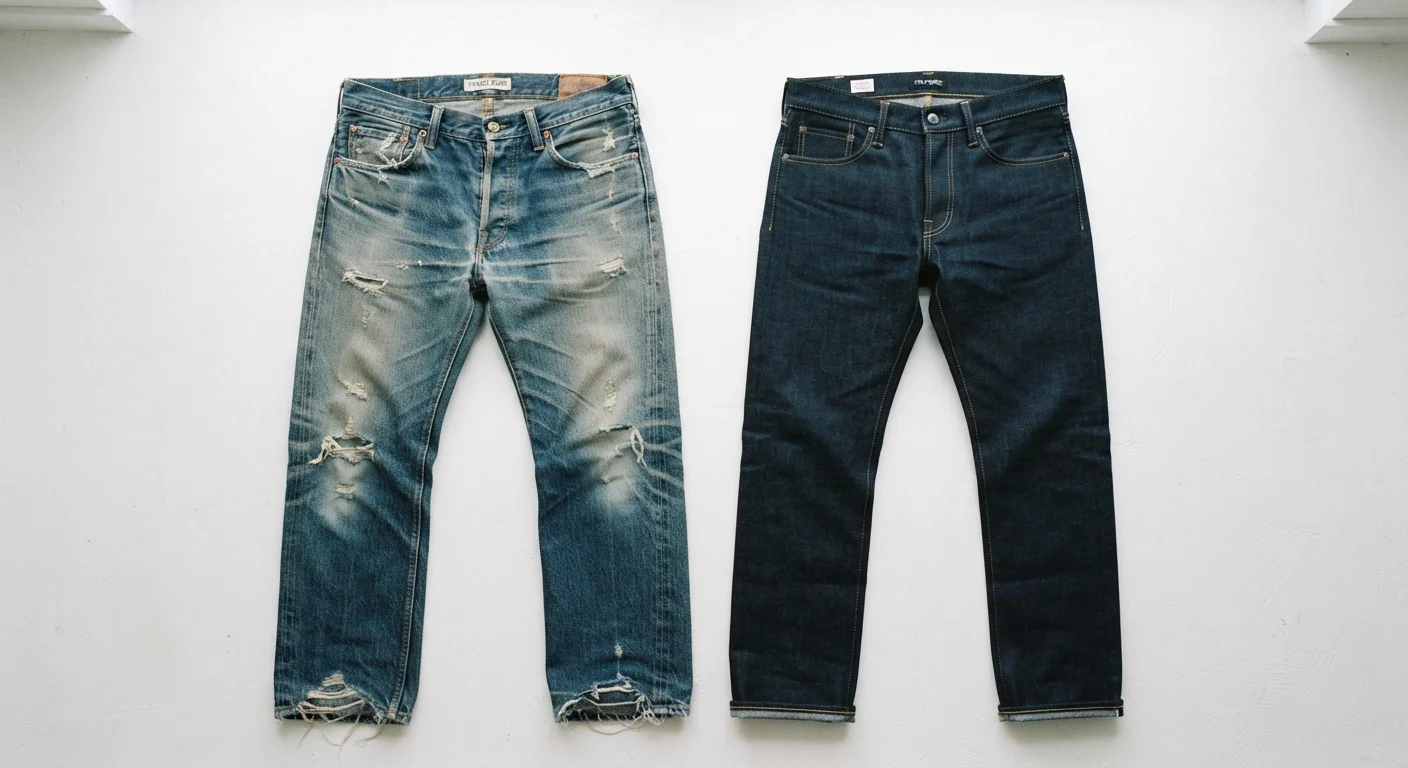
A thrift store piece with a minor flaw, a missing button, a small seam split, can cost less than a new garment and be restored inexpensively. Fast fashion items with similar damage are often not worth repairing because the replacement cost is close to the repair cost and the fabric quality limits how many repair cycles a piece can handle.
Understanding when a repair adds value and when it does not is its own skill. Clothing alterations and repairs covers which fixes are worth the investment and which situations call for moving on.
The practical outcome: a thrift find in good condition, cared for well and repaired when needed, can outlast several rounds of fast fashion at the same price point. A fast fashion piece bought for a specific short-term need, worn a few times, and then passed on is a reasonable use of a low price. Neither path is wrong; the decision comes down to what you need the garment to do.