
What dress codes actually mean
Dress codes exist on a spectrum, and most American adults will only ever encounter a handful of points on it. At the formal end sits black tie, which means floor-length gowns or dark tuxedos. At the casual end sits no code at all, where jeans and a clean T-shirt are fine. The territory in between is where most confusion happens.
Business casual is the most common workplace standard in American offices. It typically means neat trousers or a skirt, a collared shirt or blouse, and closed-toe shoes. Athletic wear, very distressed denim, and flip-flops fall outside it.
Smart casual, which appears on a lot of evening invitations, calls for a step up from everyday clothes without requiring a suit or formal gown. Dark jeans in good condition, a structured top, and a clean shoe usually fit.
Cocktail attire means a knee-length dress or a suit. It is dressier than smart casual but not as strict as black tie.
Dress code
A set of expectations about how formally or casually guests should dress for a specific event or place. Dress codes range from black tie (very formal) to casual (relaxed, everyday clothing).
Outfit formula
A repeatable combination structure you apply with different pieces. For example: a tucked blouse plus fitted trousers plus a low heel works across many occasions.
Smart casual
A middle-ground dress code that is polished but not formal. Clean, fitted clothing without athletic wear or very distressed items typically fits this description.
Business casual
A workplace dress code common in American offices. It usually means neat trousers or skirts, collared shirts or blouses, and closed-toe shoes, without requiring a full suit.
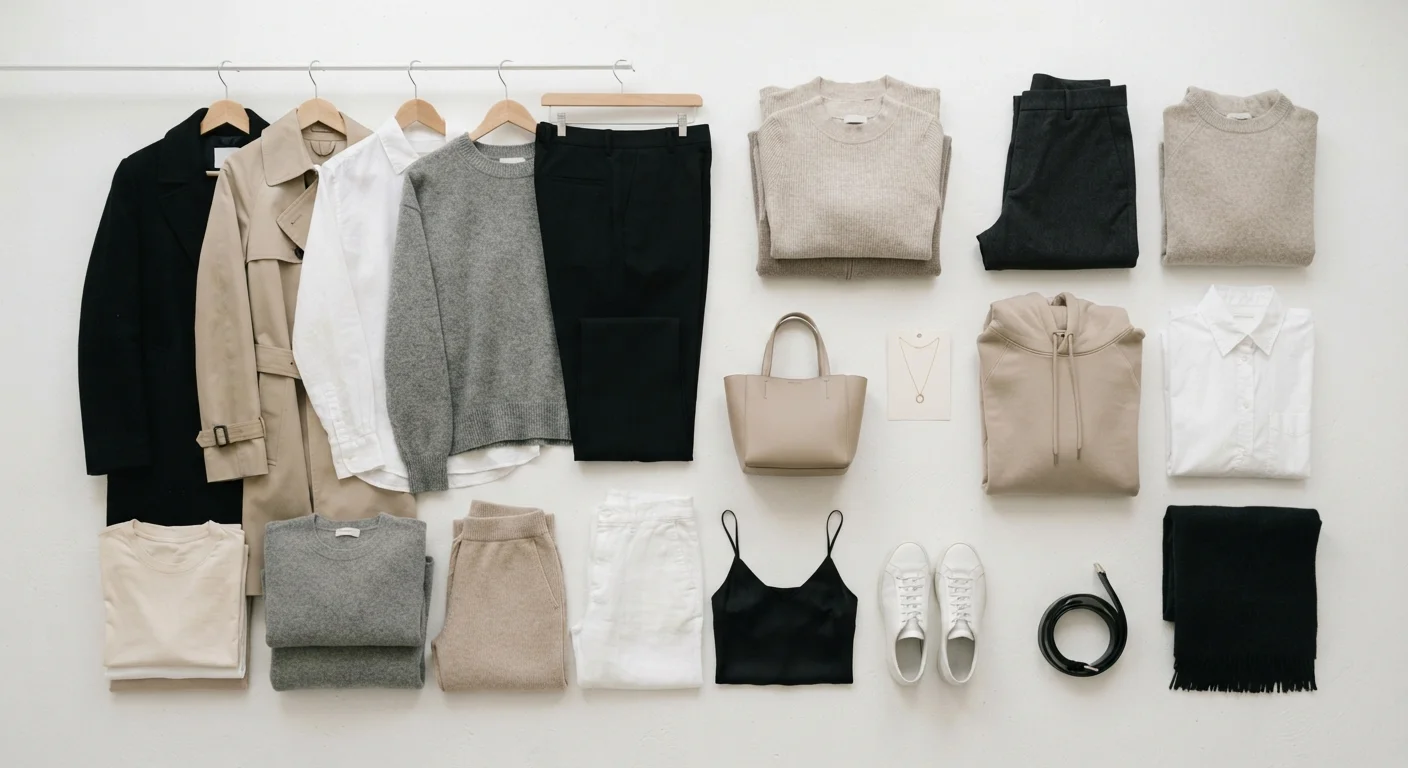
Capsule wardrobe
A small collection of clothing pieces chosen to work together in many combinations, reducing clutter and making it easier to dress for different occasions.
When an invitation does not specify a code at all, the venue and time of day are your most reliable guides. A 7 p.m. dinner at a sit-down restaurant implies more polish than a noon backyard cookout, regardless of what the invitation says.
Dress codes vary by region and culture
What counts as 'business casual' in a large city office may differ from expectations in a small-town workplace or a different region of the country. When attending an event hosted by people whose norms differ from yours, it is fine to ask the host directly or look for photos from past events.
Building outfit formulas that work
An outfit formula is a repeatable structure, not a single outfit you wear on repeat. The formula stays the same; the specific pieces change. A simple one: a tucked-in top plus fitted trousers plus a flat or low-heeled shoe. That structure works with a silk blouse and wide-leg trousers for smart casual, and with a linen tee and cropped chinos for a casual Saturday.
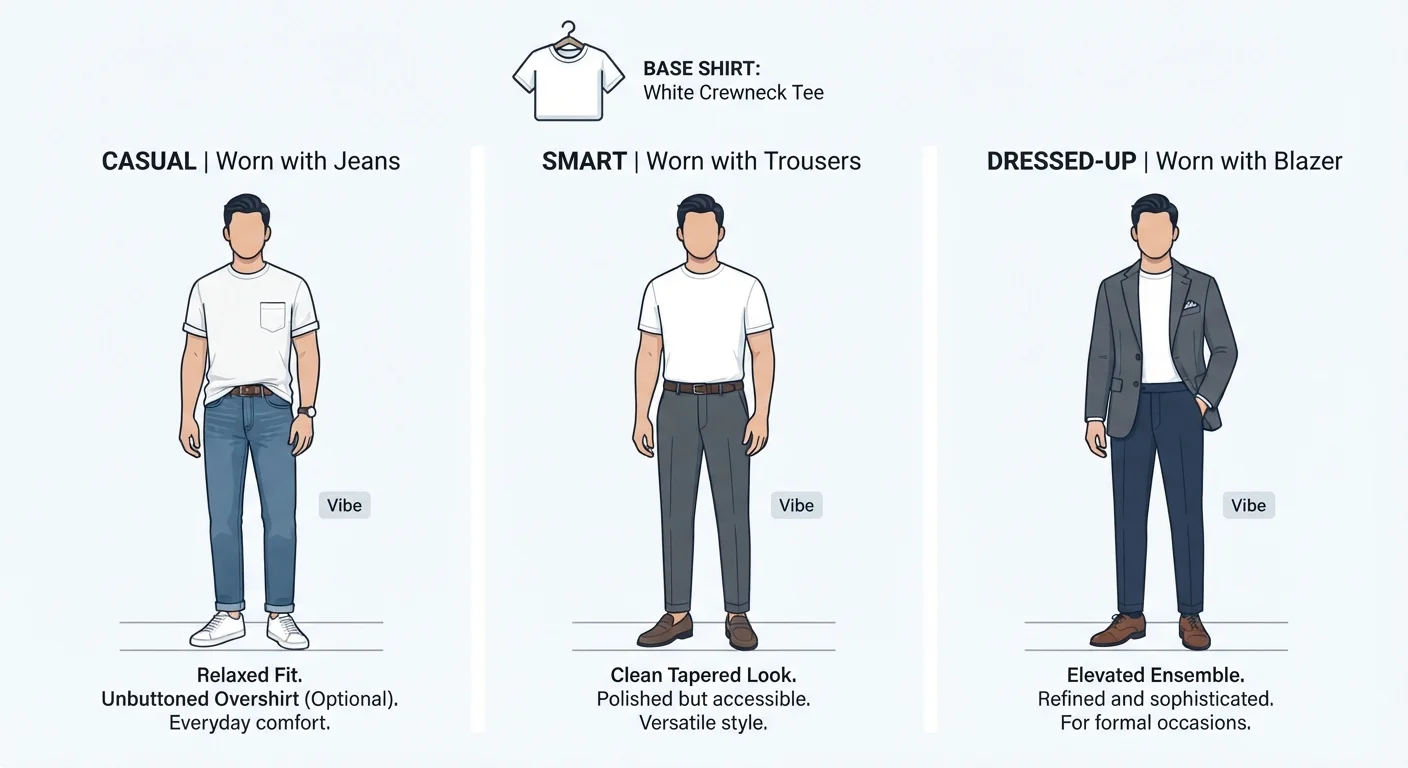
Having two or three formulas you trust removes daily decision fatigue. For a beginner, a good starting set might be: one casual formula for weekends, one polished formula for work or errands, and one dressed-up formula for events. Each formula should be buildable from pieces you already own or from the staples covered in our wardrobe basics guide.
Anchor each formula with one neutral piece
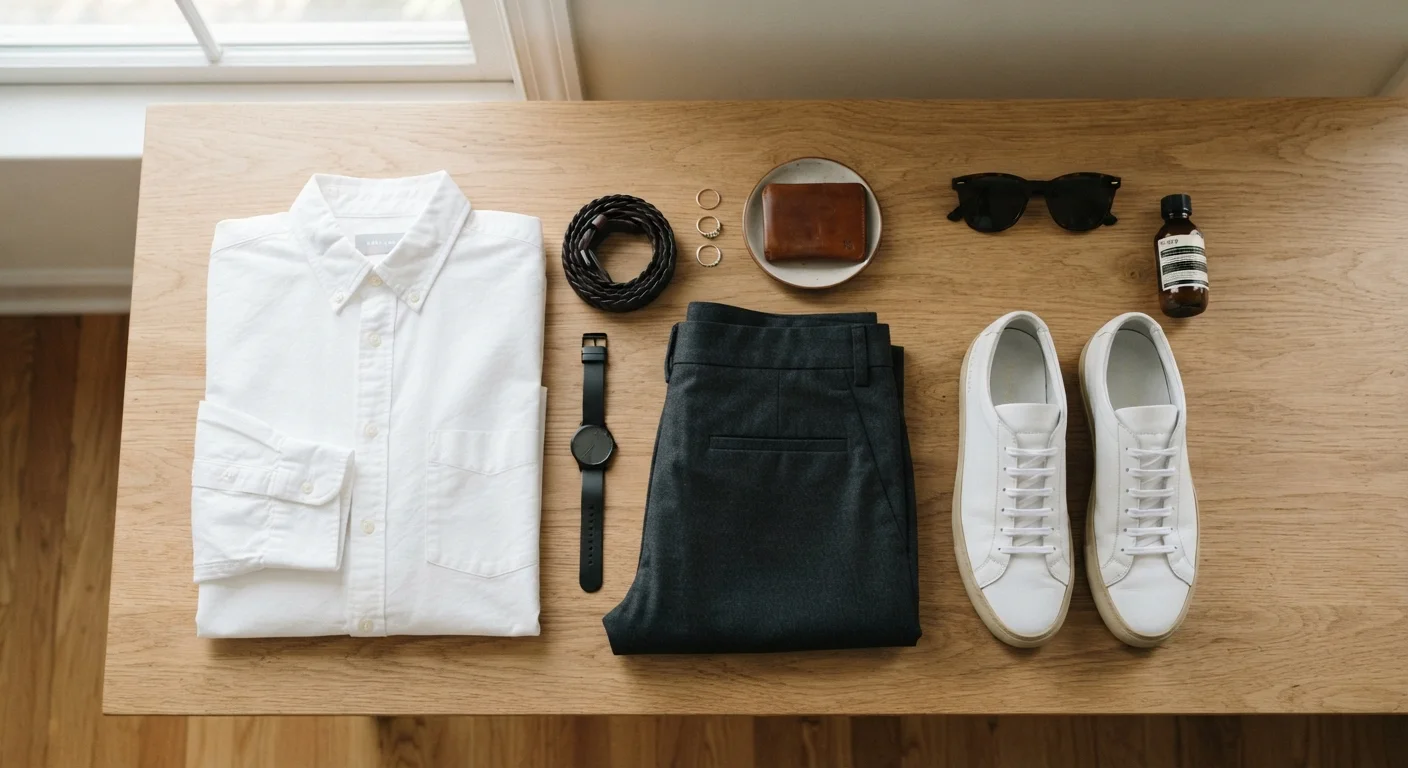
Starting every outfit with a neutral base item, such as navy trousers or a white shirt, makes it easier to swap in pieces you already own without creating clashes. Neutrals also tend to photograph well and read as intentional, whatever the occasion.
Layering is worth including in at least one formula. A jacket or cardigan over a simple outfit shifts the formality level quickly without requiring a full change of clothes.
Reading the room without a rulebook
Context does most of the work that a dress code label does not. Four questions cover most situations: Where is it? What time does it start? Who is hosting? What is the purpose of the event?
A retirement party at a colleague's home at 6 p.m. calls for something tidier than a Saturday brunch but less formal than a wedding. A daytime outdoor event in July calls for breathable fabrics regardless of how the invitation is worded. Our guide on dressing for your body shape covers how fit and proportion affect how put-together an outfit reads, which matters more than following prescriptive rules.
When you are genuinely unsure, slightly overdressing is the lower-risk direction. Arriving in smart casual to an event that turns out to be casual is easier to recover from than the reverse.
Avoid buying single-use occasion pieces
Purchasing an entirely new outfit for one event often leads to unused clothing that takes up closet space. Before buying, check whether something you already own can be restyled with a different shoe, layer, or accessory to meet the occasion.
Making the most of what you already own
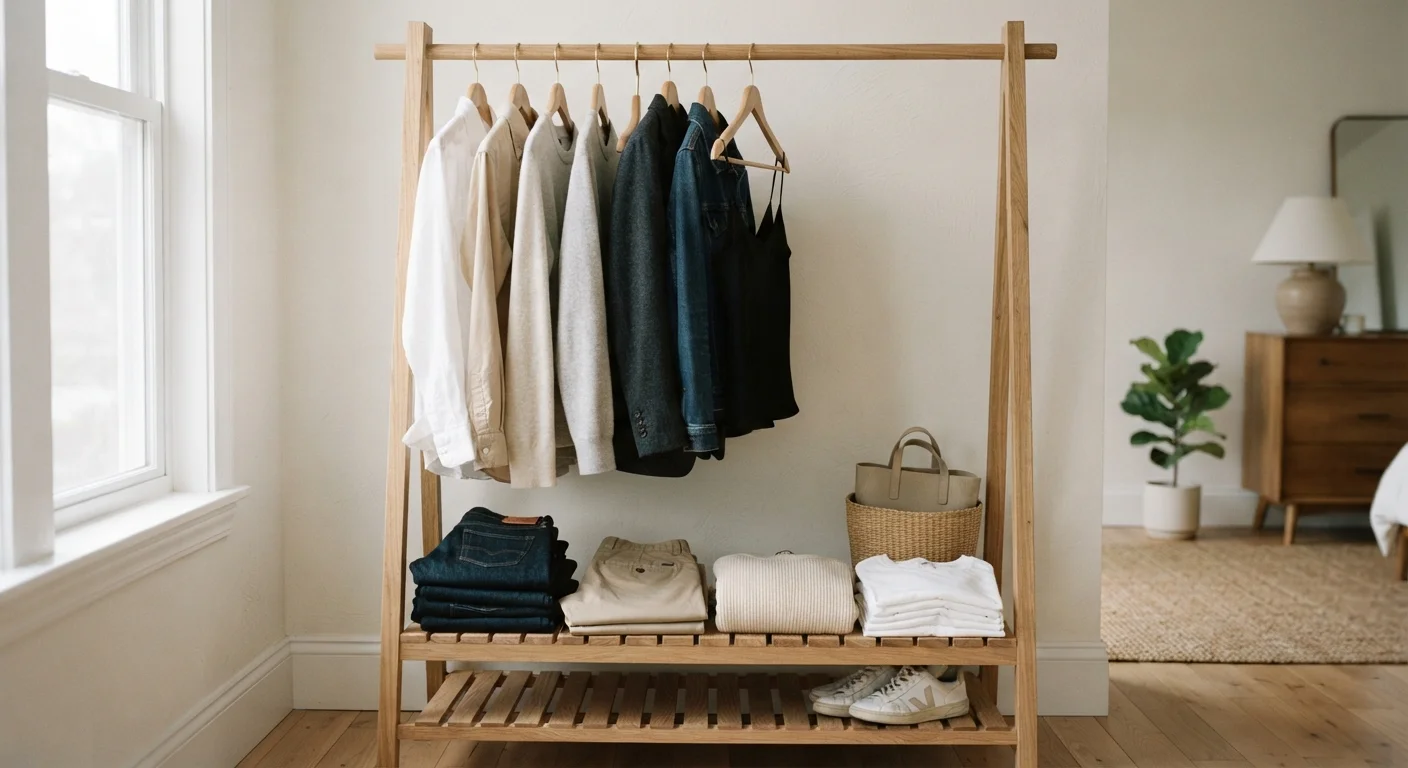
Before adding new pieces, take stock of what is already in your closet. Most adults own more wearable clothing than they realize; the gap is usually in how pieces are combined, not in raw quantity.
Pull out items you have not worn in the past six months and try pairing them with pieces you wear regularly. A blouse you bought for one occasion may work in a formula you use often once you pair it differently. Our seasonal wardrobe switchover checklist walks through this process in a structured way, which is useful for spotting genuine gaps.
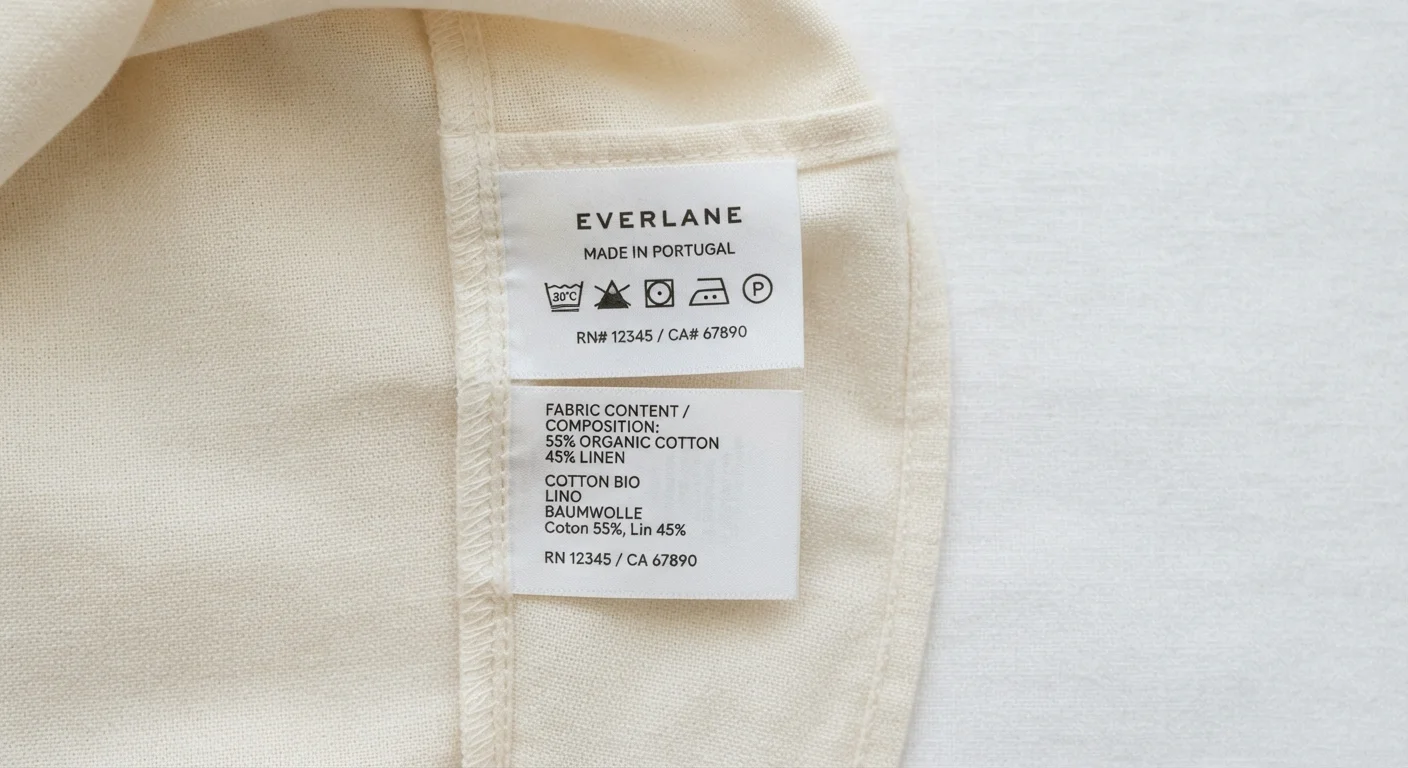
When a gap is real, filling it with a neutral, versatile piece gives more return than buying something specific to a single occasion. How long a piece lasts also affects its real cost per wear, which is why fabric and care matter. Our article on what clothing labels tell you covers how to read care instructions so pieces last longer. Similarly, caring for your clothes covers washing and storage habits that protect your investment over time.