
What kinds of repairs are generally worth the cost
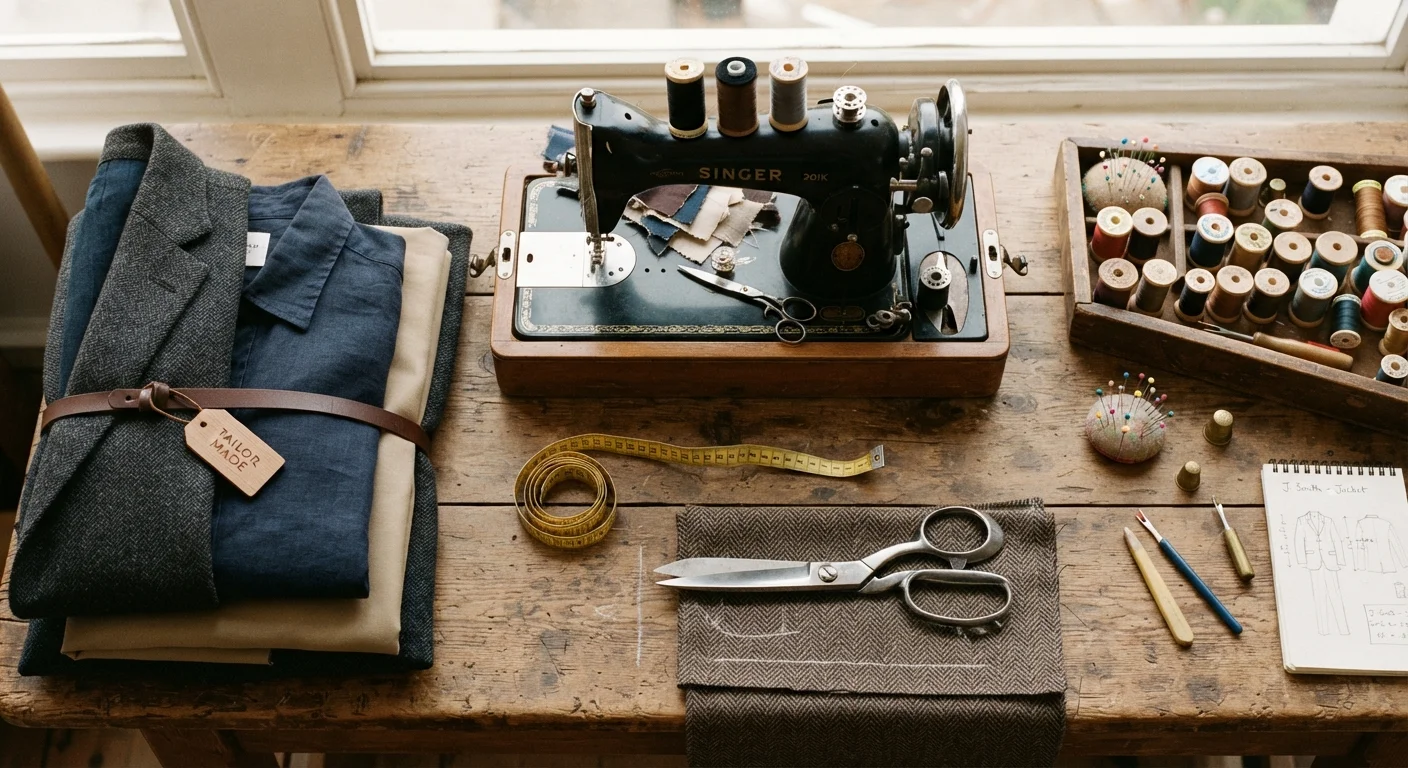
Some alterations deliver consistent value because the work is straightforward and the improvement is meaningful. Hemming pants or a dress is the clearest example: the labor is modest, the result transforms the fit, and nearly any skilled tailor can do it reliably. Replacing a broken zipper on a coat or jacket falls in the same category. Zippers fail on otherwise sound garments all the time, and a new one costs a fraction of a replacement coat.
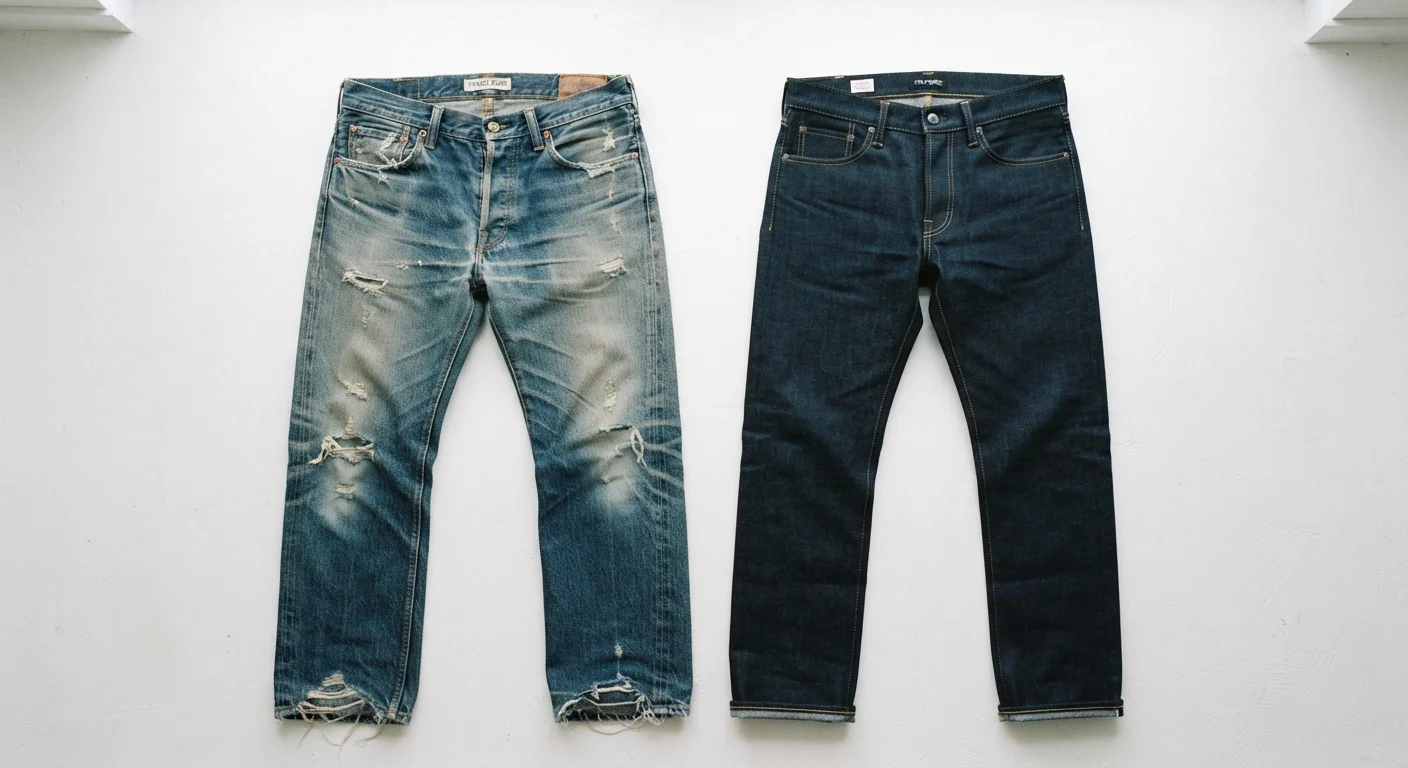
Taking in or letting out seams on structured trousers or a well-made skirt is another strong candidate. If the fabric is sturdy and the garment has seam allowance to work with, a tailor can adjust the fit cleanly. Patching small tears in denim or reinforcing stress points like belt loops also tends to be affordable and extends wear significantly.
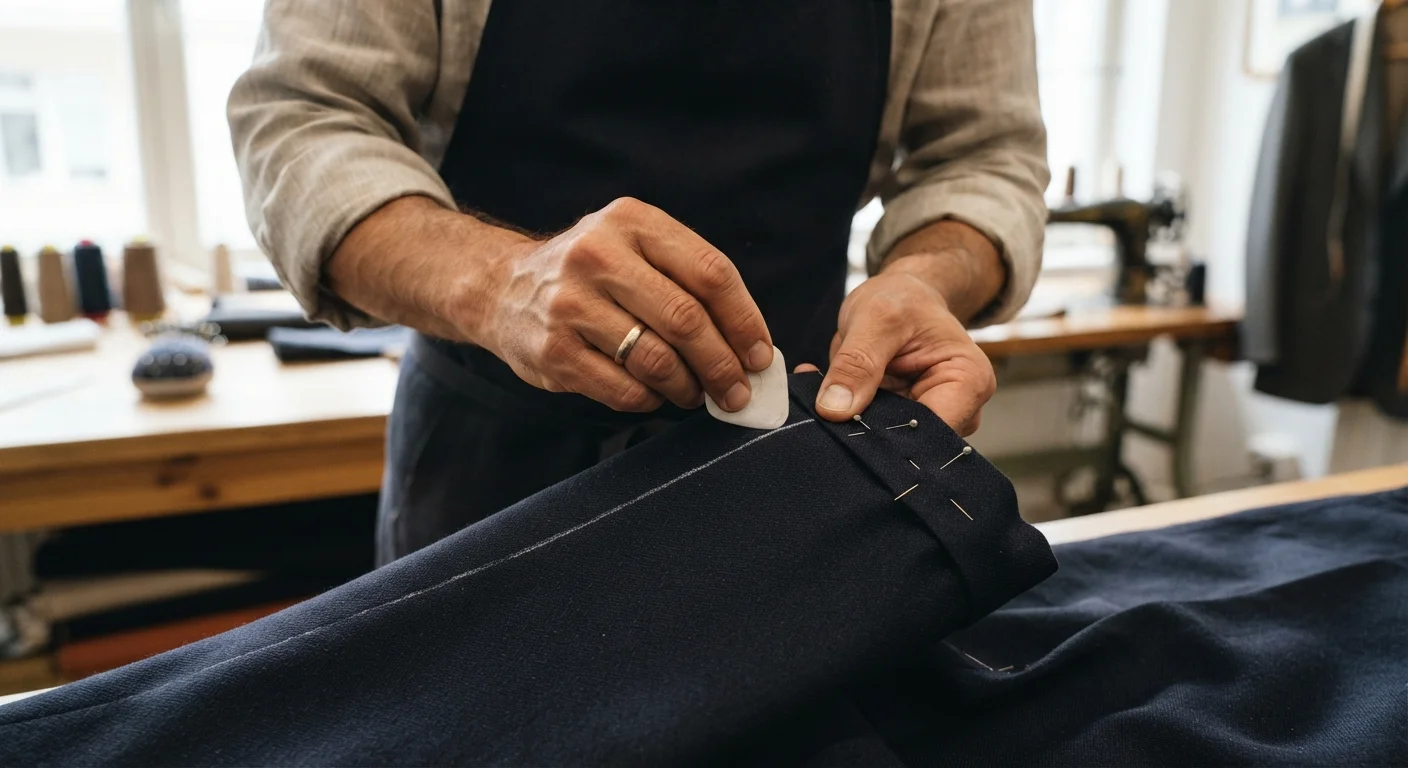
The pattern here is simple: low-complexity work on a piece with good bones. Cost-per-wear math favors repair when the garment sees regular use and the fix costs less than 30 to 40 percent of what a comparable replacement would run.
When to reconsider before spending on alterations
Not every repair pencils out. Structural alterations on low-cost garments are the most common trap. If a polyester blouse from a fast-fashion retailer cost $18, a $35 seam repair is a poor trade. The fabric itself may not hold the new stitching well, and the garment was not built to last regardless.
Major size changes are another category where caution is warranted. Letting out a blazer by more than one size requires moving pockets, re-cutting the back seam, and sometimes adding fabric panels. At that point, the tailoring bill can approach the cost of a new jacket, and the result may still look off because the original pattern was cut for a different silhouette.
Check the fabric label first
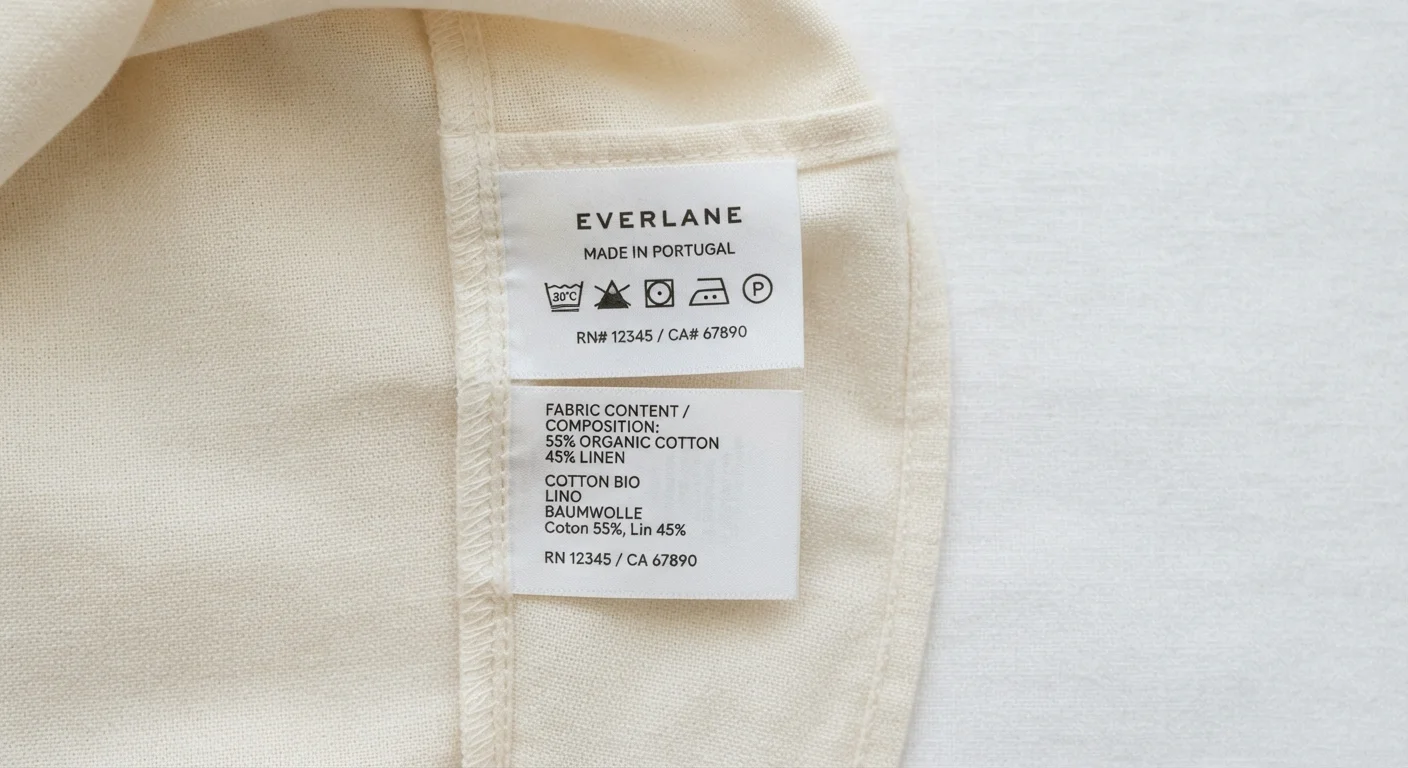
Before booking an alteration, look at the care label on your garment. Fabric composition affects how a piece can be pressed, sewn, and finished after alterations. Our guide to reading clothing labels walks through what those symbols and fiber percentages actually mean for repair and care decisions.
Heavily damaged pieces, where fabric is thinning across a wide area rather than just at one point, are usually not good repair candidates either. A tailor can reinforce a localized stress point, but fabric that is worn through in multiple spots will keep failing. Proper garment care is more effective than repair once deterioration is widespread.
Extends the life of quality garments
A well-made wool coat or tailored blazer can last decades with proper care. A single alteration or repair can reset the clock on a piece that still has strong fabric and good construction.
Often cheaper than buying a replacement
A hem or a zipper replacement typically costs far less than purchasing a comparable new garment. For items you wear frequently, the cost-per-wear math strongly favors repair.
Improves fit for your specific body
Off-the-rack sizing rarely fits every person perfectly. Taking in a waist or shortening a sleeve creates a cleaner, more flattering silhouette without requiring a custom-made piece.
Reduces clothing waste
Repairing instead of discarding keeps textiles out of landfills. Americans discard roughly 11.3 million tons of textile waste per year according to the EPA, and extending garment life directly reduces that number.
Repair costs can exceed garment value
On inexpensive fast-fashion pieces, a structural repair such as re-lining a jacket or patching a seam tear near an armhole can cost more than the garment originally sold for.
Not all fabrics or constructions can be altered
Garments with bonded seams, heavy embellishments, or delicate sheers may not survive alteration well. A tailor may decline the work or warn that results cannot be guaranteed.
Significant size changes are structurally limited
Most jackets and structured garments can only be let out or taken in by one to two sizes before the proportions of the piece stop working. Beyond that range, the alteration becomes impractical.
Finding a skilled tailor takes time and research
Quality alteration work depends on the tailor's experience with specific fabric types and garment construction. A poorly executed repair can damage a garment beyond what the original problem caused.
How to choose a tailor and get a fair assessment
Ask to see examples of previous work, particularly on the fabric type you are bringing in. A tailor experienced with woven wool may have less practice with stretch fabrics or leather, and that matters for the outcome. Get a written estimate before leaving the garment, and ask specifically whether the repair is reversible if the result is not what you expected.
A good tailor will tell you honestly when a repair is not worth doing. That directness is a sign of competence, not a sales problem. If a tailor pushes an expensive structural fix on a piece that clearly has limited life left, get a second opinion.
For context on what garment quality looks like before you even get to the repair question, comparing secondhand and fast-fashion pieces covers construction details worth knowing. And when you are ready to rotate or declutter during a seasonal wardrobe change, a structured switchover checklist can help you identify which pieces are worth repairing before storing.
11.3M tons
Annual U.S. textile waste
According to the U.S. Environmental Protection Agency, Americans discard approximately 11.3 million tons of textile waste each year.
$10-$75
Typical range for common alterations
General tailoring industry data suggests basic alterations like hemming or zipper replacement commonly fall in this range, though prices vary widely by region and garment type.