
Before you open a single drawer
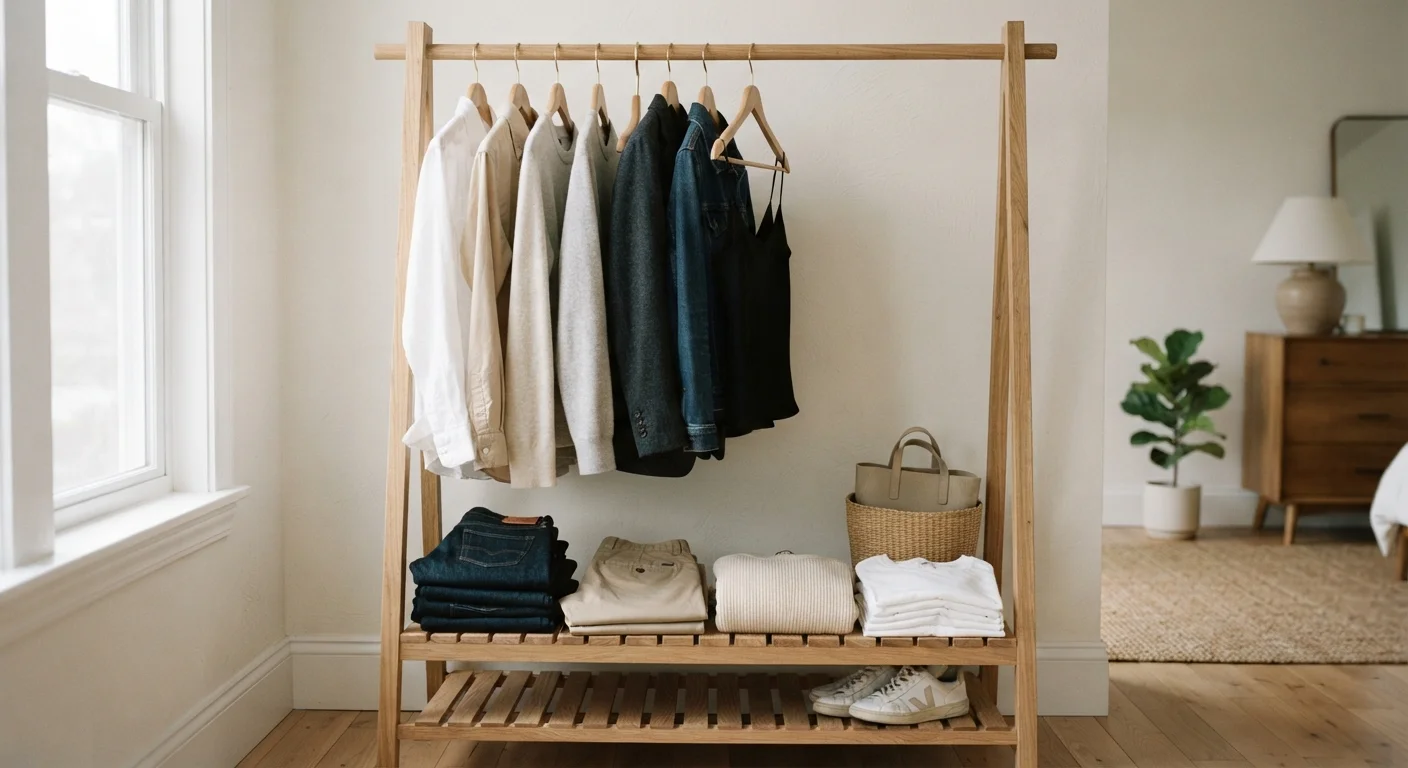
The switchover goes faster when you treat it as two separate jobs: moving clothes out and moving clothes in. Mixing both at once turns a manageable afternoon into a frustrating scramble. Set aside one session for the outgoing season and schedule the incoming half for the same day or the next.
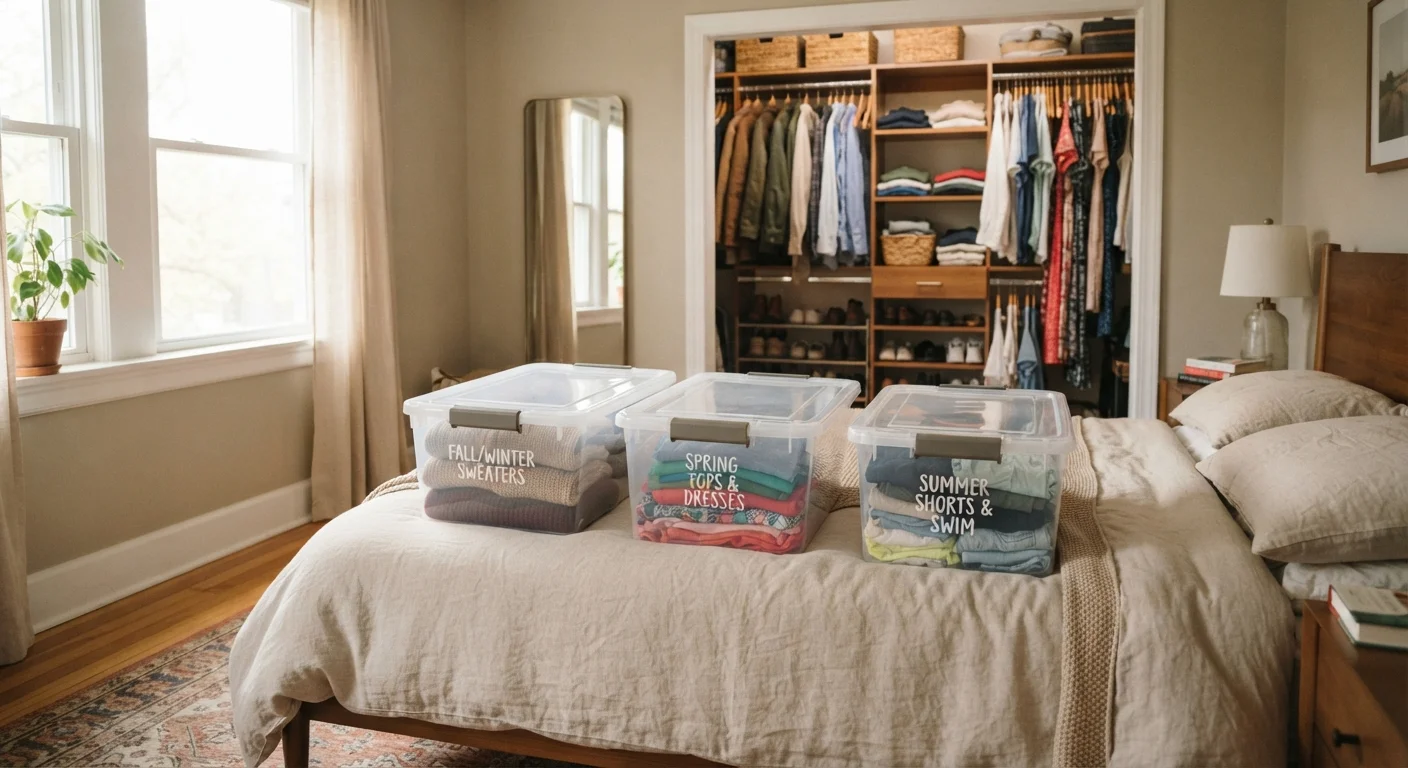
Gather your supplies before starting. You will need storage containers or vacuum-seal bags, a laundry basket for items going straight to the wash, a donation bag, and a notepad for your gap list. Having these ready means you keep moving instead of stopping to hunt for a trash bag mid-sort.
Airtight storage bins
Keep clothing clean, dry, and protected from dust and pests during off-season storage.
Vacuum-seal bags
Compress bulky soft items such as sweaters and fleece to save drawer or closet space.
Breathable garment bags
Protect structured coats and blazers from dust without crushing their shape.
Cedar blocks or lavender sachets
Deter moths and insects from natural-fiber garments stored in closed containers.
Notepad or phone notes app
Record your gap list and repair needs while the full inventory is in front of you.
A room-by-room approach works better than pulling everything out at once. Start with the bedroom closet, then the dresser, then any overflow spots such as a hallway closet or under-bed bins. This room-by-room approach is the same logic that makes home maintenance checklists manageable: one space at a time keeps the project from feeling endless.
The switchover checklist
Work through each group below in order. The priority labels show which steps matter most if you are short on time.
Sort the outgoing season
Prepare items for storage
Bring in the incoming season
Build your gap list
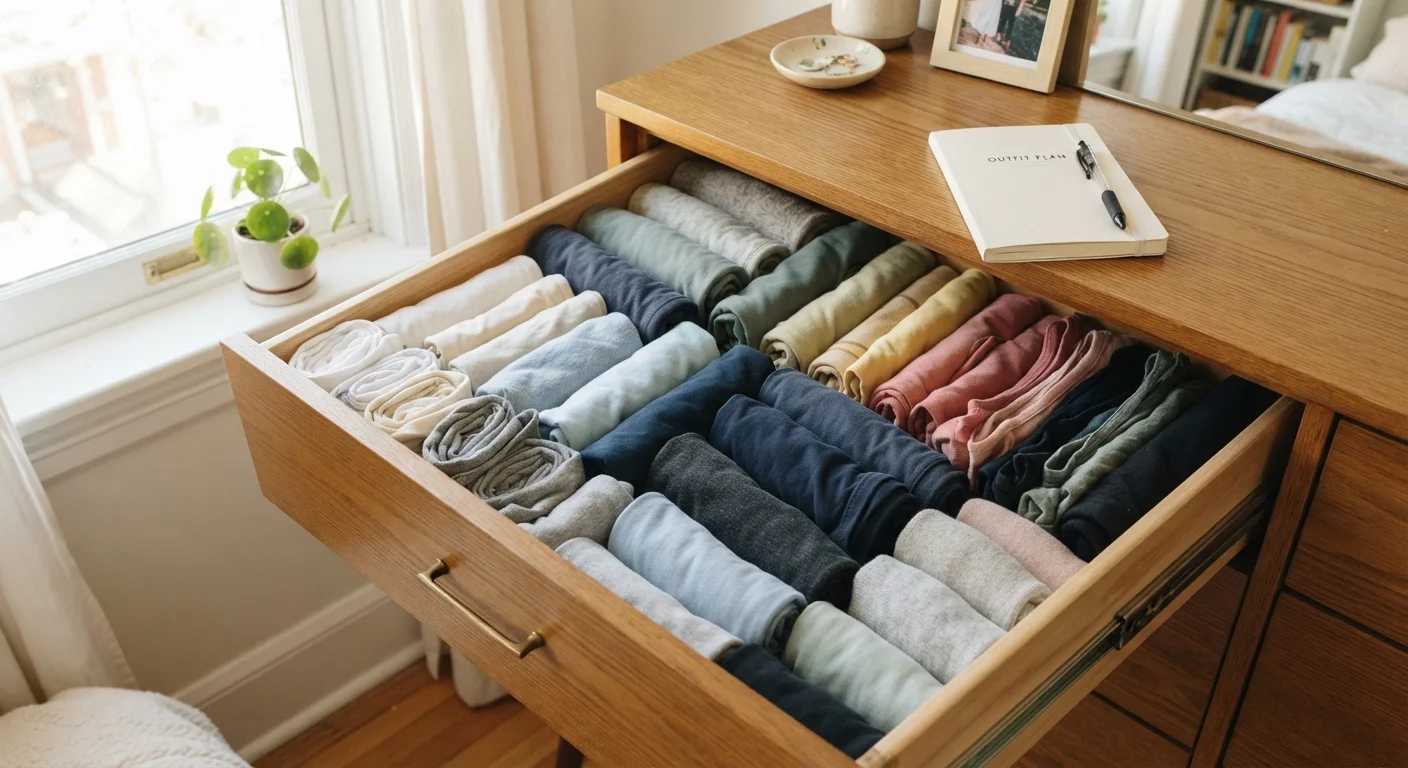
Once your gap list is written, review it against your core wardrobe staples before deciding what actually needs replacing. Many perceived gaps turn out to be covered by pieces you already own.
Storage mistakes that cost you later
Vacuum-seal bags damage structured garments
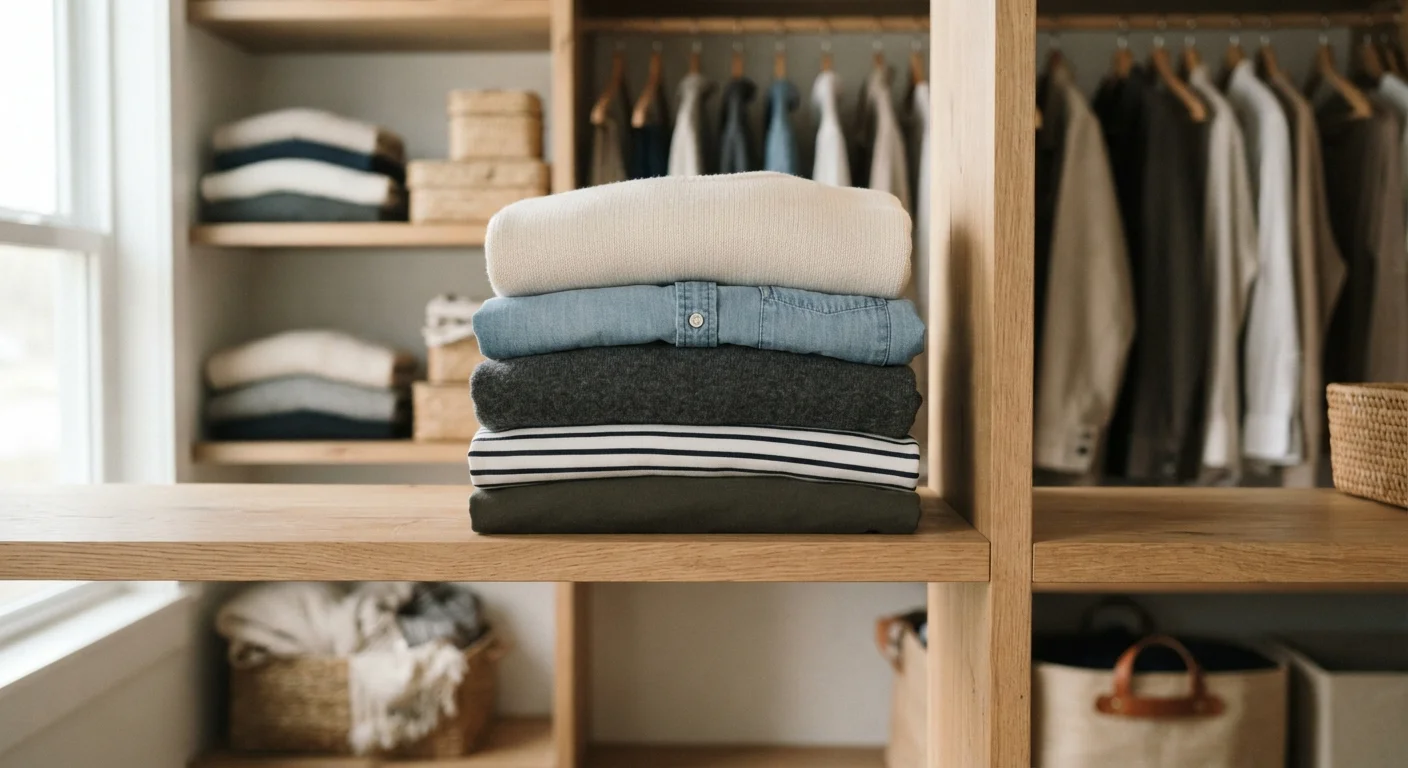
Compression storage works well for soft items like fleece, knitwear, and bedding. Do not use it for blazers, tailored coats, padded vests, or any garment with internal structure. The sustained pressure collapses padding and creates permanent creases that cannot be steamed out. Use hanging garment bags for these pieces instead.
Wool, cashmere, and down items are the most vulnerable during storage. Wool and cashmere attract moths, especially when stored with any trace of food residue, body oil, or perfume on the fabric. Cedar blocks or lavender sachets placed inside sealed containers reduce risk without the chemical smell of mothballs.
Structured garments, including blazers, tailored coats, and padded shoulders, should hang in breathable garment bags rather than go into compression storage. Vacuum-seal bags crush the internal structure and can leave permanent creases. For everything else, clean folding in airtight bins is fine.
Good storage habits also connect to how long clothes last overall. The right washing and drying habits before storage make a real difference to what comes out looking wearable next season. Storing anything even slightly damp is the fastest way to end up with mildew and a ruined garment.
Using your gap list
A gap list written at switchover time is worth more than one written in the middle of winter when you realize you have no warm base layers. You are looking at the actual inventory right now, so note what is missing, what no longer fits, and what is too worn to keep wearing.
Separate the list into two columns: genuinely needed this season and items that can wait. The first column guides any near-term shopping. The second is a reference when you have flexibility. This two-column method also pairs well with the outfit-building approach in getting dressed for any occasion, since it helps you see which missing pieces would actually get used versus which ones just seem appealing in the abstract.
If repairs or alterations could save pieces on your replacement list, check when alterations are worth it before you decide to replace anything. A $15 zipper repair on a coat you like beats buying a new one.