
Where the heat actually goes
A winter heating bill is the sum of two things: how much heat your system produces and how quickly your home loses it. Most households put all their attention on the system and none on the loss. That imbalance is what makes bills climb year after year without any obvious explanation.
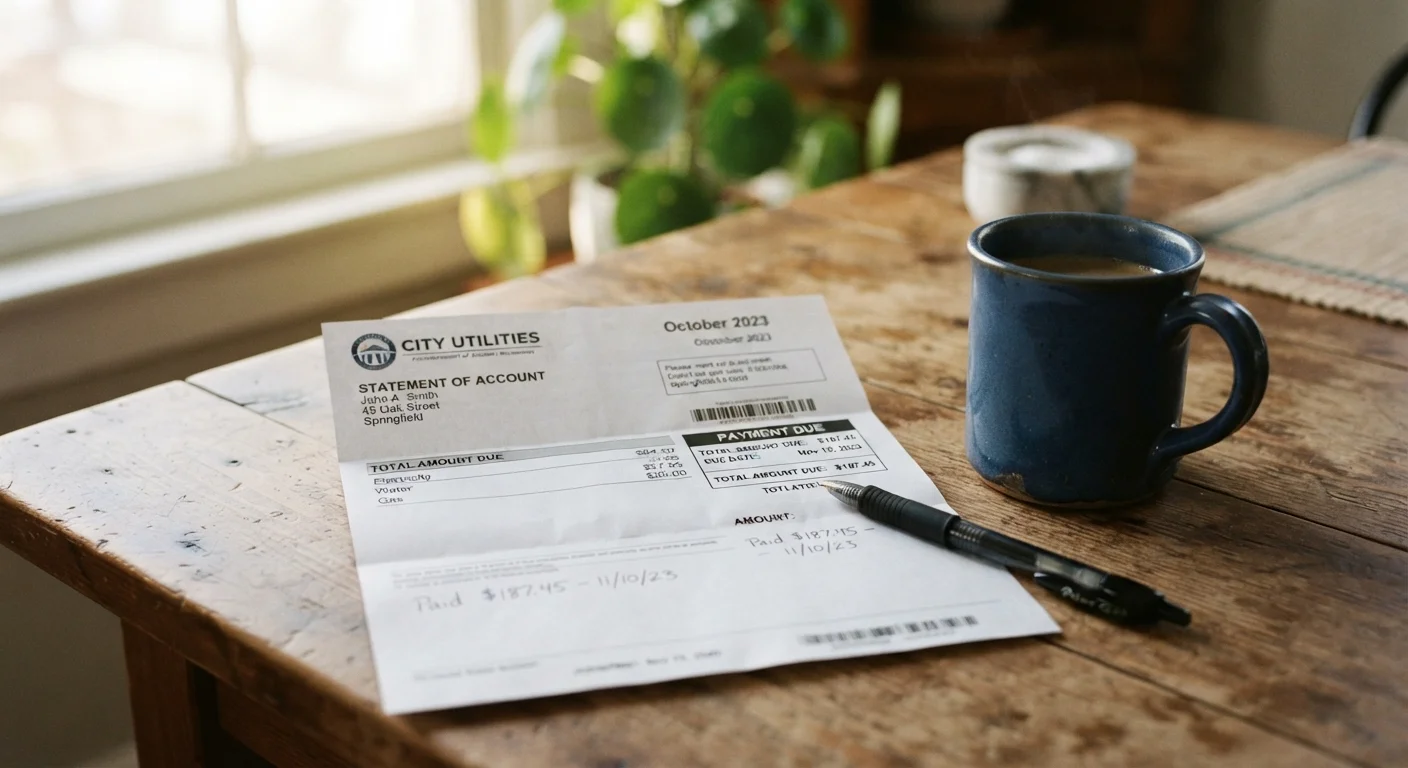
Your utility bill can tell you more than you might expect. Reading beyond the total due can surface inefficiencies that a higher thermostat setting will never fix. The mistakes below cover the most common reasons heat escapes and why heating systems work harder than they need to.
Common mistakes that raise your heating costs
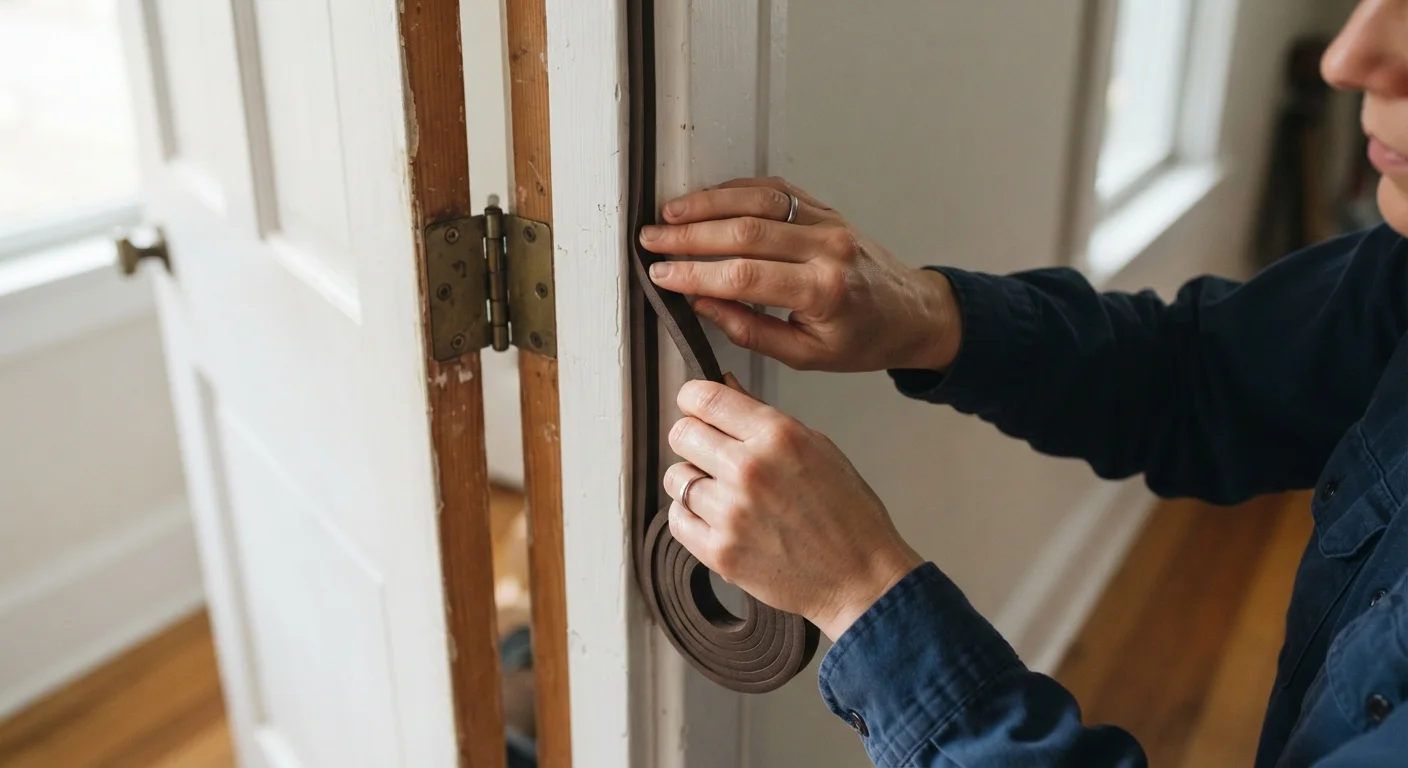
Ignoring air leaks around doors, windows, and electrical outlets.
Why it happens: Leaks are invisible, so homeowners focus on the heating system itself rather than the building envelope.
Setting the thermostat to a fixed high temperature and leaving it there all day.
Why it happens: Adjusting manually feels like a chore, and some people believe letting the temperature drop makes the system work harder to recover.
Heating rooms that are consistently unused.
Why it happens: Central systems heat the whole house by default, and closing vents is often overlooked or dismissed as ineffective.
Skipping the annual furnace or boiler inspection.
Why it happens: If the system turned on last year, owners assume it is fine. Maintenance feels like an optional expense until something breaks.
Overlooking attic and basement insulation while focusing only on windows.
Why it happens: Windows are visible and easy to blame. Attics and crawl spaces are out of sight and rarely inspected.
This article is for general informational purposes only. For work involving gas appliances, structural modifications, or electrical systems, consult a licensed professional and verify local permit requirements.
How to read the pattern in your bills
~43%
Share of U.S. home energy use from heating
According to the U.S. Energy Information Administration, space heating accounts for the largest single share of residential energy consumption.
Up to 30%
Energy lost through air leaks in a typical home
The U.S. Department of Energy estimates that drafts and air infiltration can account for 25 to 30 percent of heating and cooling energy use.
10% savings
Estimated savings from thermostat setbacks
The U.S. Department of Energy notes that turning your thermostat back 7 to 10 degrees for 8 hours a day can save roughly 10 percent annually on heating.
Heating costs do not spike randomly. A bill that jumps sharply after a cold stretch usually points to air leaks or poor insulation. A bill that climbs gradually over several winters more often reflects a degrading furnace or a thermostat that has drifted out of calibration. Tracking monthly usage in terms of energy units, not just dollars, removes the noise of rate changes and lets you see the actual consumption trend.
Carbon monoxide detectors are non-negotiable
A cracked heat exchanger or a blocked flue can release carbon monoxide into living spaces with no visible sign. Install carbon monoxide detectors on every level of your home and test them regularly. If an alarm sounds, evacuate immediately and call emergency services. Do not re-enter until the source has been identified and repaired by a licensed professional.
If you spot a sudden unexplained jump in gas usage, have a technician inspect the system before assuming the weather is to blame. Combustion problems and cracked heat exchangers can reduce efficiency while also creating safety hazards.
Do not block or seal gas appliance vents
Furnaces, boilers, and water heaters that burn natural gas or propane require proper combustion air and exhaust venting. Sealing or obstructing these vents creates a carbon monoxide risk. Any work near gas appliance flues or combustion air openings must be handled by a licensed HVAC professional.