

What inflation actually does to a dollar
Inflation is a general rise in prices across the economy over time. When it happens, the same dollar amount buys fewer things than it did in the past. That gap between what money says it is worth and what it can actually purchase is the erosion of purchasing power.
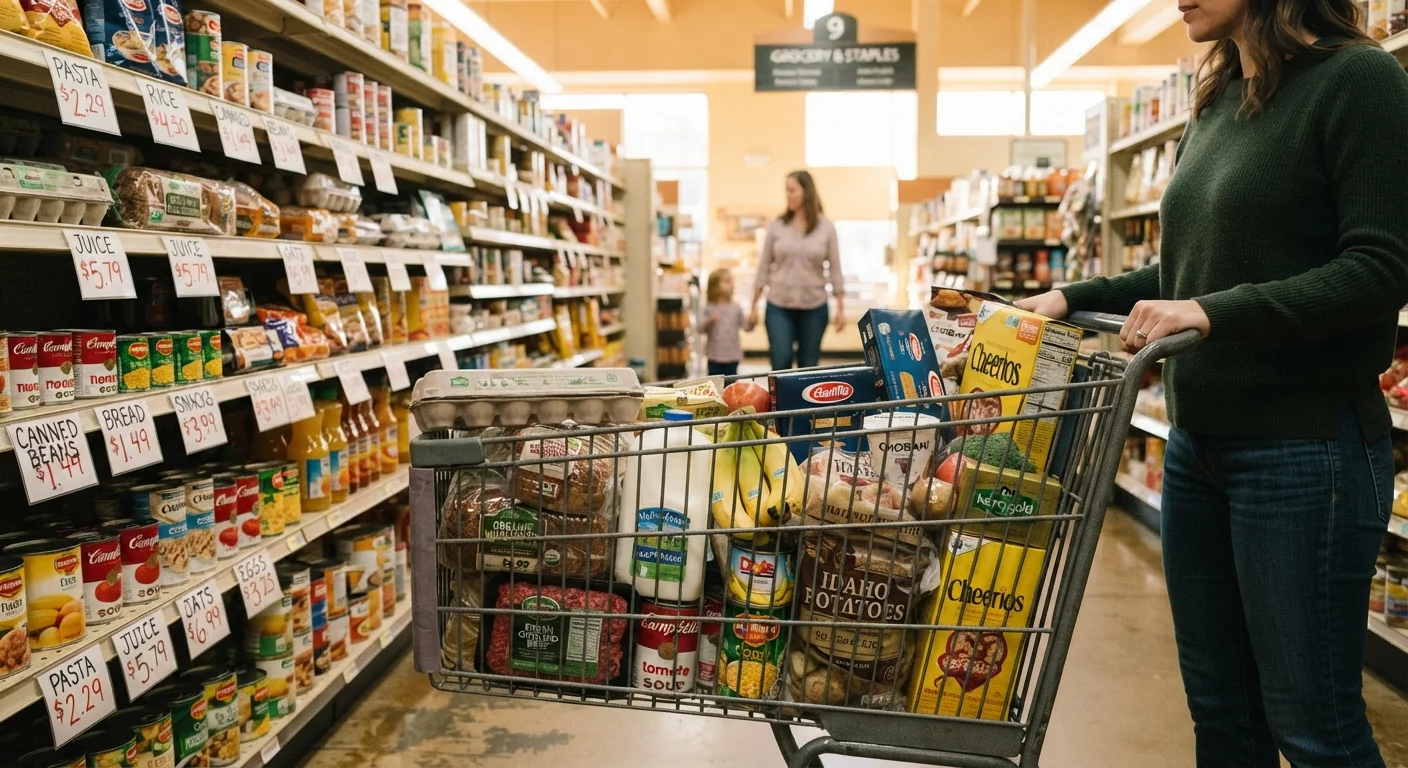
A straightforward example: if a bag of groceries costs $80 today and inflation runs at 4% annually, that same basket of items would cost roughly $83.20 a year from now, assuming prices track the average rate. Your $80 bill has not changed, but it no longer covers the same cart.
This process is slow enough that it can be hard to notice week to week, but over years it adds up. The Bureau of Labor Statistics tracks these changes monthly through the Consumer Price Index (CPI), which measures price shifts across categories including food, housing, transportation, and medical care.
Where everyday households feel it most
Inflation does not hit every spending category at the same rate. Prices for groceries, housing, and healthcare have historically risen faster than the overall average in many periods, and those are costs that most households cannot easily reduce.
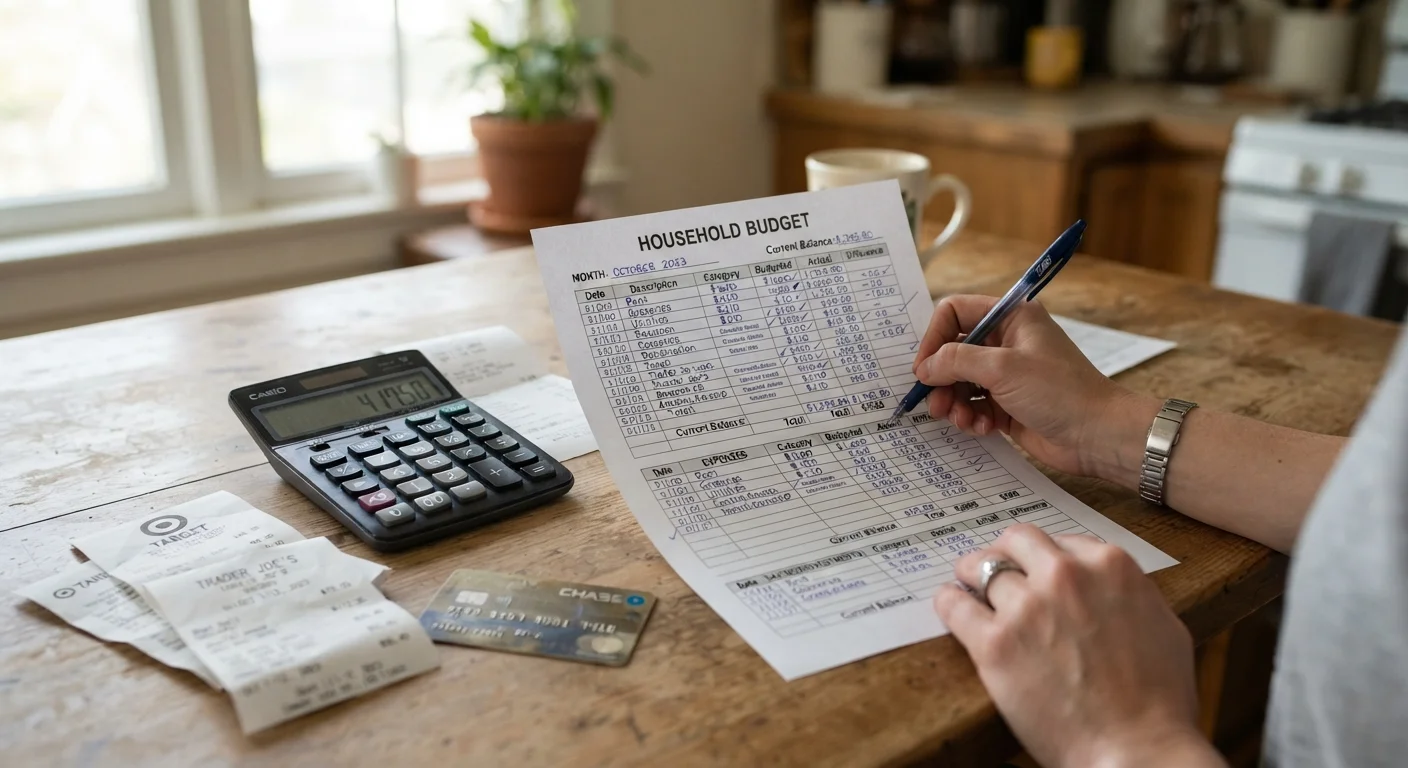
People on fixed incomes, including many retirees, face a sharper squeeze. When a monthly pension or annuity payment stays constant while grocery and utility bills climb, the household budget gets tighter each year. Social Security includes a cost-of-living adjustment (COLA) tied to inflation data, but the adjustment may not fully reflect the specific price increases that older adults face, particularly in healthcare.
Wage earners are not automatically protected either. If your paycheck grows at 2% while inflation runs at 5%, your real income (adjusted for purchasing power) has fallen, even though the number on your pay stub is higher.
3.7%
U.S. annual inflation rate, September 2023
According to the Bureau of Labor Statistics CPI report for September 2023, the 12-month inflation rate stood at 3.7%, with shelter costs a significant contributor.
~$0.74
Real value of a 1983 dollar in 2023
Based on BLS CPI data, a dollar in 1983 had roughly the equivalent purchasing power of $0.74 in 2023 dollars, illustrating long-run erosion.
2%
Federal Reserve long-run inflation target
The Federal Reserve has publicly stated a 2% annual inflation target as its long-run goal, viewing this rate as consistent with stable prices and healthy economic growth.
How inflation interacts with savings
Money sitting in a savings account that earns less interest than the current inflation rate loses real value over time. The dollar balance grows, but each dollar in that account buys less. This is sometimes called a "negative real return," meaning the inflation-adjusted return on the savings is below zero.
For longer-term financial planning, this dynamic matters. A sum of money set aside for retirement or a large future expense may not go as far as expected if inflation has been running above the account's interest rate for years. A licensed financial advisor can help you think through how to structure savings in a way that accounts for inflation in your specific situation. This article provides general information only and is not personalized financial advice.
When evaluating everyday spending choices, the same logic applies. The real cost of a purchase sometimes shows up years later, whether in a budget squeezed by inflation or in costs you did not anticipate at the time of buying.
Reading inflation data without getting misled
The headline CPI number is a national average. Your personal experience of inflation depends on where you live, what you buy, and how your income changes. Someone who rents in a high-cost city and spends a large share of income on food may feel price increases more sharply than the overall index suggests.
The BLS also publishes a separate index for urban wage earners (CPI-W) and another that strips out food and energy prices (sometimes called "core" CPI) to show longer-term trends without the volatility of those two categories. Neither is more correct than the other; they measure different things.
Understanding these distinctions helps when you read news coverage of inflation reports. A headline saying inflation is easing does not necessarily mean your grocery bill is dropping. It may mean the rate of price increases has slowed, while prices themselves remain higher than they were before.
This article is for general informational and educational purposes only. It is not personalized financial, investment, or tax advice. Consult a licensed financial professional before making decisions about your own financial situation.