

Why habits matter more than income
A raise or a bonus can improve your finances for a month. A reliable habit can improve them for decades. Research from behavioral economics consistently finds that the structure of how people manage money matters as much as how much they earn. Spending patterns, saving timing, and debt behaviors are all shaped more by routine than by willpower.
This does not mean income is irrelevant. But two households with similar incomes can end up in very different financial positions based almost entirely on habit. Understanding which habits hold up over time, and why, is useful for anyone at any income level.
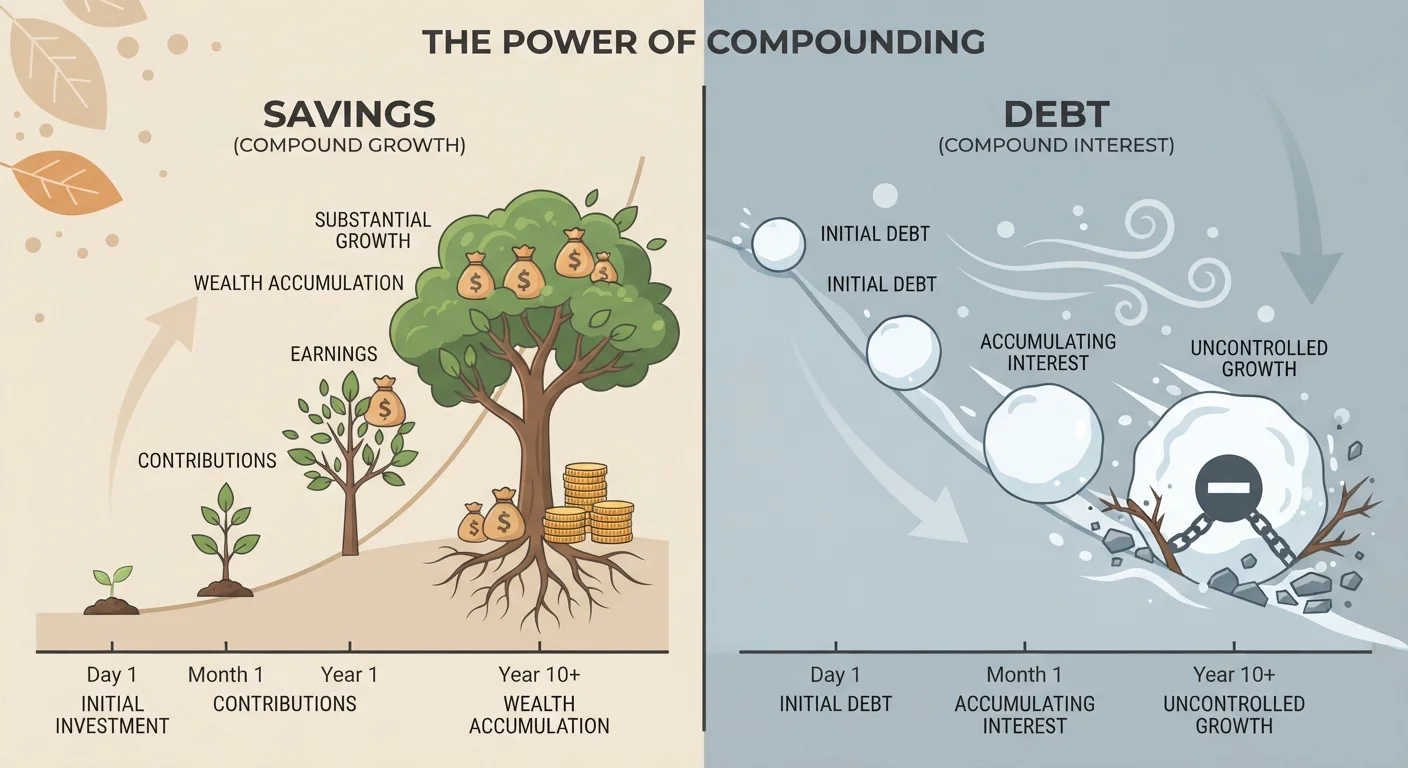
For a closer look at one concept that rewards consistent saving behavior, see how compound interest works.
Practices worth building
The following approaches are grounded in how money actually behaves over time, not in idealized budgeting scenarios.
Automate your savings before you spend
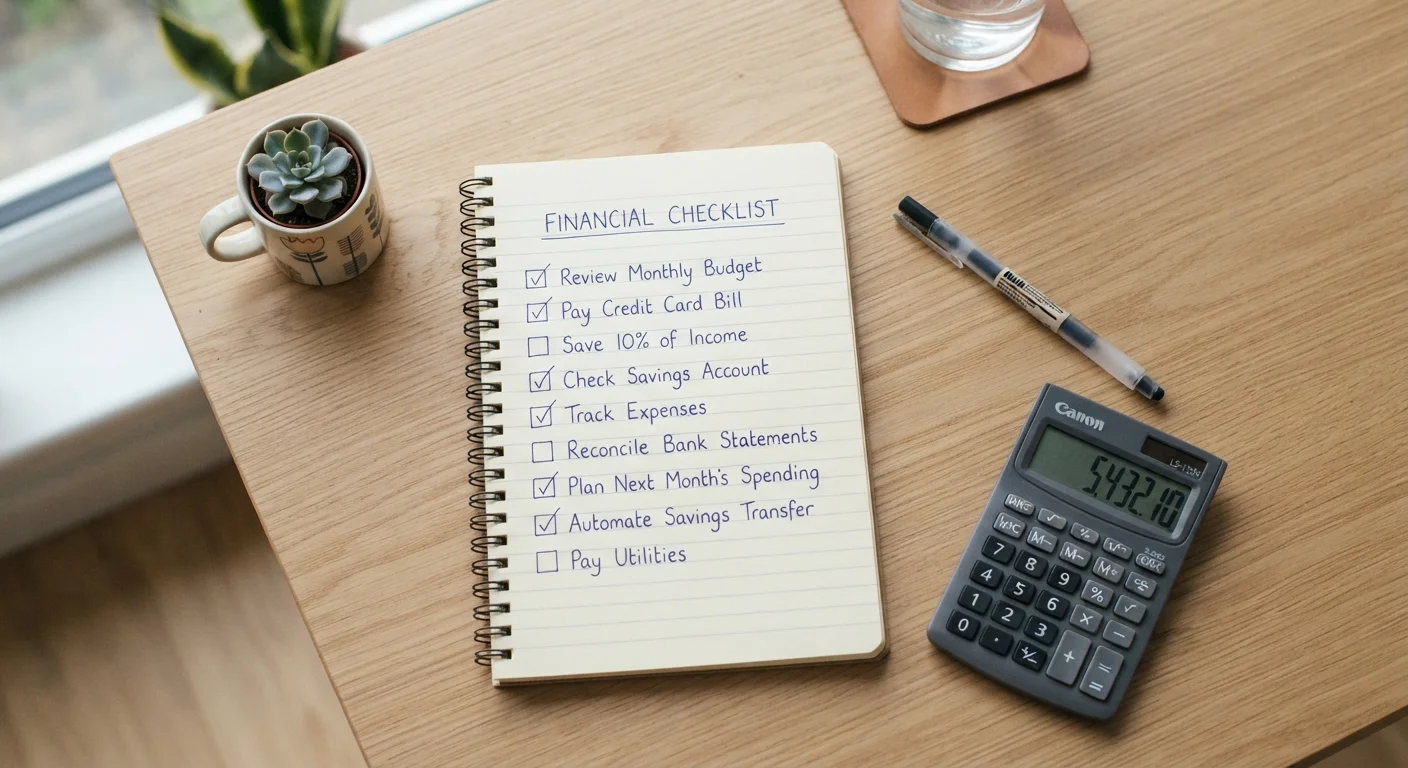
When savings are transferred automatically at the start of a pay period, the money is set aside before discretionary spending begins. This removes the decision from the equation each month, which makes the habit much easier to maintain.
Track spending for at least 30 days straight
Most people underestimate what they spend in categories like food, subscriptions, and convenience purchases. A month of tracking creates an accurate baseline rather than a guess, which makes any budget more realistic.
Build an emergency fund before focusing on other financial goals
Without a cash cushion, any unexpected expense, a car repair, a medical bill, a gap in income, can push someone into debt. A fund covering three to six months of essential expenses reduces that risk substantially.
Review your financial habits once a year
Income, expenses, and goals change over time. A habit that made sense two years ago may no longer fit. An annual review keeps your approach current rather than stale.
Separate wants from needs before making non-routine purchases
Impulse spending is one of the most common reasons budgets fall apart. Adding a brief pause, even 24 hours, before non-essential purchases reduces spending that would otherwise be regretted.

If you are newer to budgeting, it is worth knowing the common mistakes people make early on. Early budgeting pitfalls covers the most frequent ones.
Getting started without overhauling everything
Trying to change every financial habit at once rarely works. A more practical approach is to pick one or two changes, let them become routine, and build from there.
Before moving toward investing, it helps to have the foundational habits in place. What to do before you start investing walks through those steps.
This article is for general informational purposes only and does not constitute personalized financial, tax, or legal advice. Consult a qualified financial professional for guidance specific to your situation.