
Why the order of these steps matters
Most people think about investing as something to start as soon as possible, and time in the market does matter. But starting before your finances are stable can force you to sell investments early, often at a loss, just to cover an unexpected bill or carry high-interest debt.
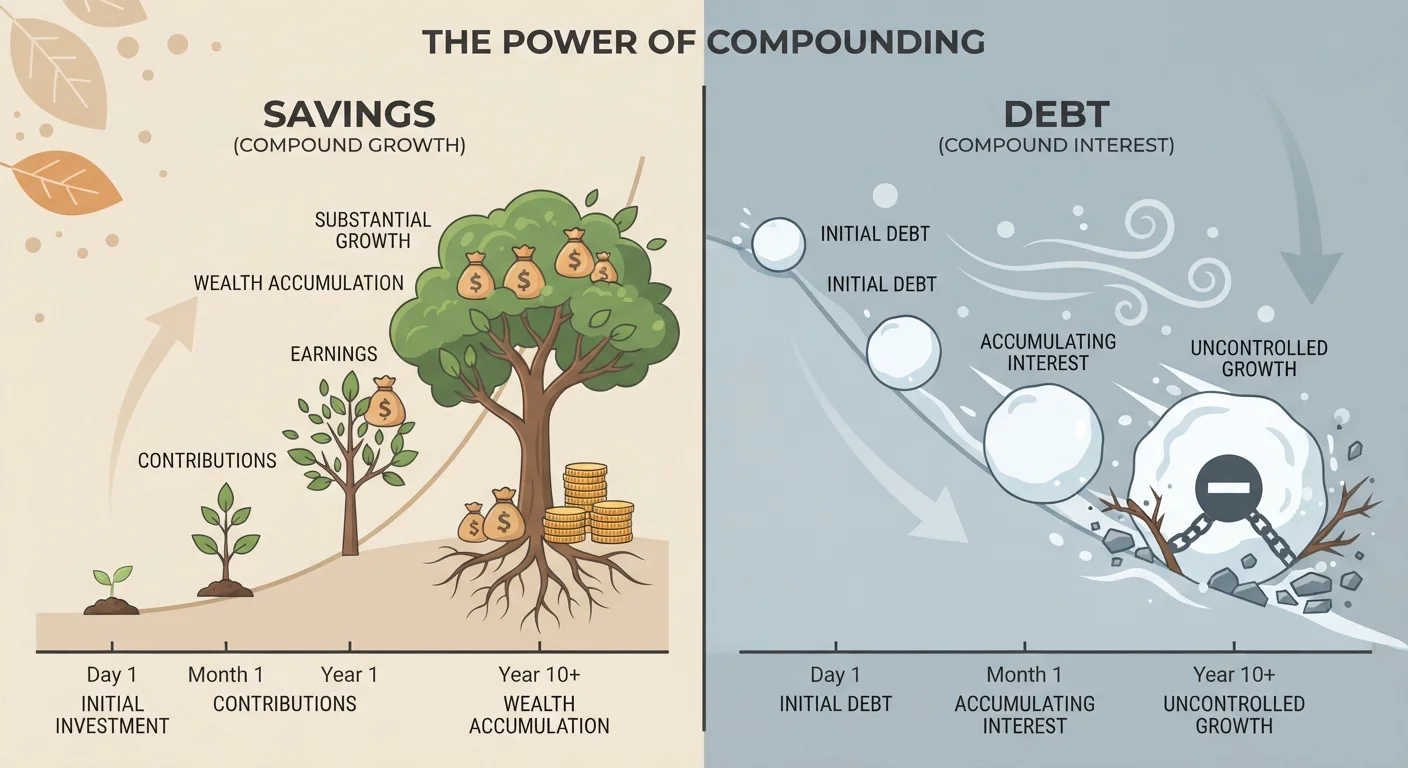
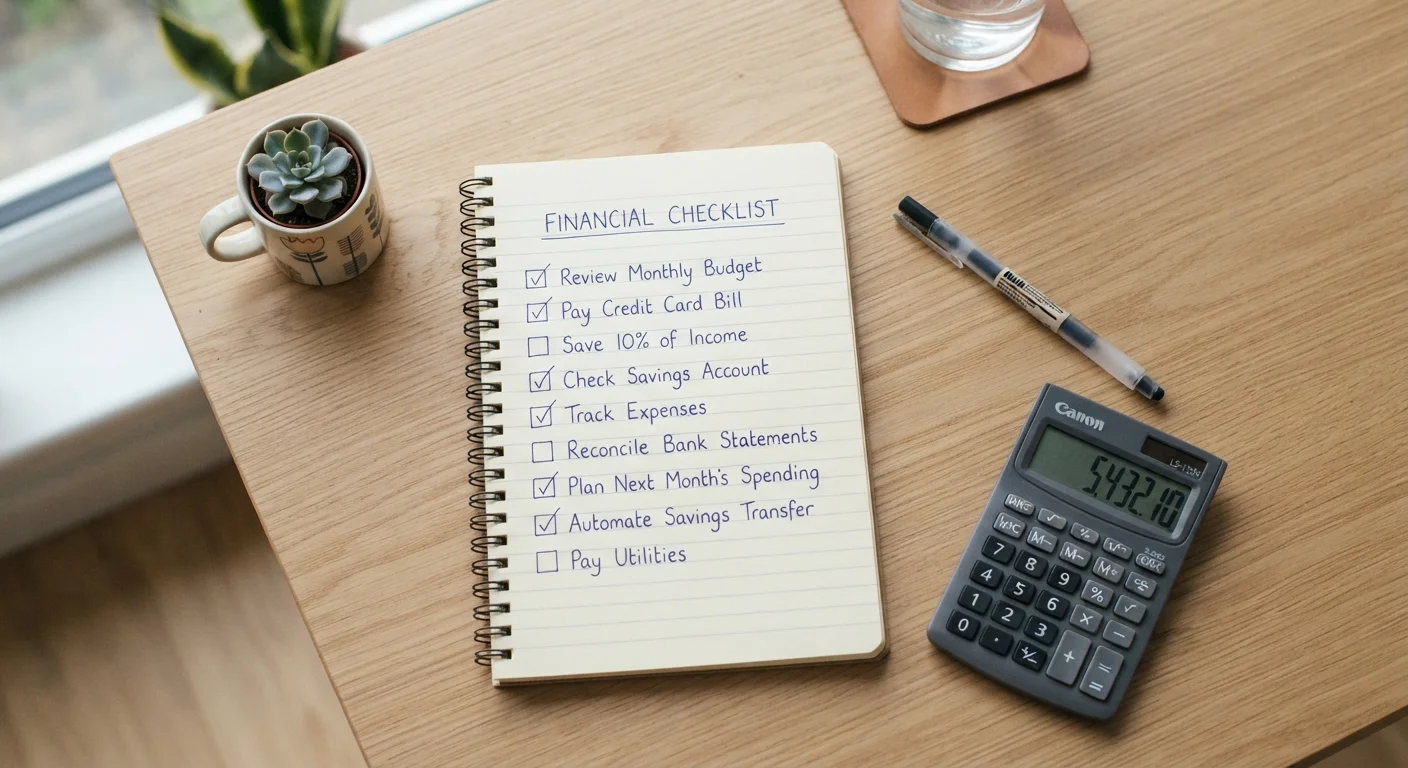
This checklist walks through the financial conditions worth meeting first. Working through it once, carefully, takes less time than recovering from a premature start. For a clear explanation of how compounding affects both savings and debt, see how compound interest works.

The checklist
Go through each group in order. The "must" items are the ones that, if skipped, create the most financial exposure. The "should" items are strongly worth completing before you open an investment account.
Debt and cash flow
Emergency savings
Retirement account basics
Risk and goals
Debt interest can outpace investment returns
Carrying a credit card balance at 20 percent interest while putting money into investments that historically average less than that means you may lose ground overall. Clear expensive debt first. This is general information; a licensed financial professional can help you weigh your specific numbers.
What to gather before you sit down
Having the right documents in front of you makes this checklist faster and more accurate. Use the tools list below to pull together what you need.
Recent pay stubs or income statements
Used to calculate your actual monthly cash flow and confirm a reliable surplus.
A list of all current debts
Needed to calculate total interest costs and prioritize which balances to address first.
Bank or credit union statements (last 3 months)
Helps identify average monthly spending so you can size your emergency fund correctly.
Employer benefits summary
Shows whether a retirement match is available and what you must contribute to receive it.
A basic spreadsheet or budgeting app
Organizes income, expenses, and savings targets in one place as you work through this checklist.
Investing does not eliminate risk
All investing involves the possibility of losing money, including the amount you put in. Returns vary and are not guaranteed. This checklist is general financial education, not personalized advice. For guidance suited to your own situation, consult a licensed financial adviser.
Watch out for high-cost accounts and fees
Investment account fees can quietly reduce your returns over time. Before opening any account, read the fee schedule carefully. Even small annual percentage differences compound significantly over decades.
After you finish the checklist
Once you have cleared high-interest debt, built an emergency fund, and captured any employer match available to you, you are in a position to think about additional investing with a clearer head. At that point, your time horizon and risk tolerance, which you documented in the final group, become the two most useful inputs for any conversation with a financial adviser.
Building consistent financial habits before and after you start investing tends to matter more than any single decision. The article building healthy money habits that last covers approaches that hold up over time. If budgeting is still a work in progress, common early budgeting mistakes outlines the pitfalls most people hit first.
This article is for general informational and educational purposes only. It is not personalized financial, investment, tax, or legal advice. Consult a qualified, licensed financial adviser before making decisions about your own finances.