
Why the same size fits so differently
Walk into three different stores, try on the same labeled size, and you may walk out having worn three different numbers. That experience is not unusual, and it is not a problem with your body. American clothing brands each decide independently what measurements correspond to a given size label. There is no federal law requiring them to match any standard chart.
ASTM International, a standards organization, publishes voluntary measurement guidelines for apparel. Because they are voluntary, manufacturers follow them only if they choose to. Many do not. The result is that a size 14 pair of pants can carry a waist measurement anywhere from roughly 34 to 38 inches depending on the brand making them.
This inconsistency affects every category, from jeans and blazers to swimwear and activewear. It can add friction to online shopping in particular, where you cannot try before you buy. Understanding why it exists helps you work around it rather than guess and hope.
Vanity sizing and how it shifted the numbers
One major force behind size confusion is vanity sizing. Over roughly the past 70 years, many brands have attached smaller numbers to larger measurements than those numbers once represented. A garment sold as a size 8 today may have the cut and measurements that a size 14 carried in the 1950s.
The shift happened gradually as brands noticed that shoppers responded positively to buying a smaller number. It is a pricing and perception strategy, not a reflection of any change in the actual population's bodies. The practical consequence for shoppers is that if you learned your size in one decade and have not retested it recently, your old number may no longer be reliable even at the same store.
Vanity sizing also means that conversion between U.S. sizes and international ones has become even less predictable. A U.S. size 6 converts roughly to a European 36 or a UK 10, but those conversions are approximate at best because each country's system has its own history of drift.
How to measure yourself and use size charts
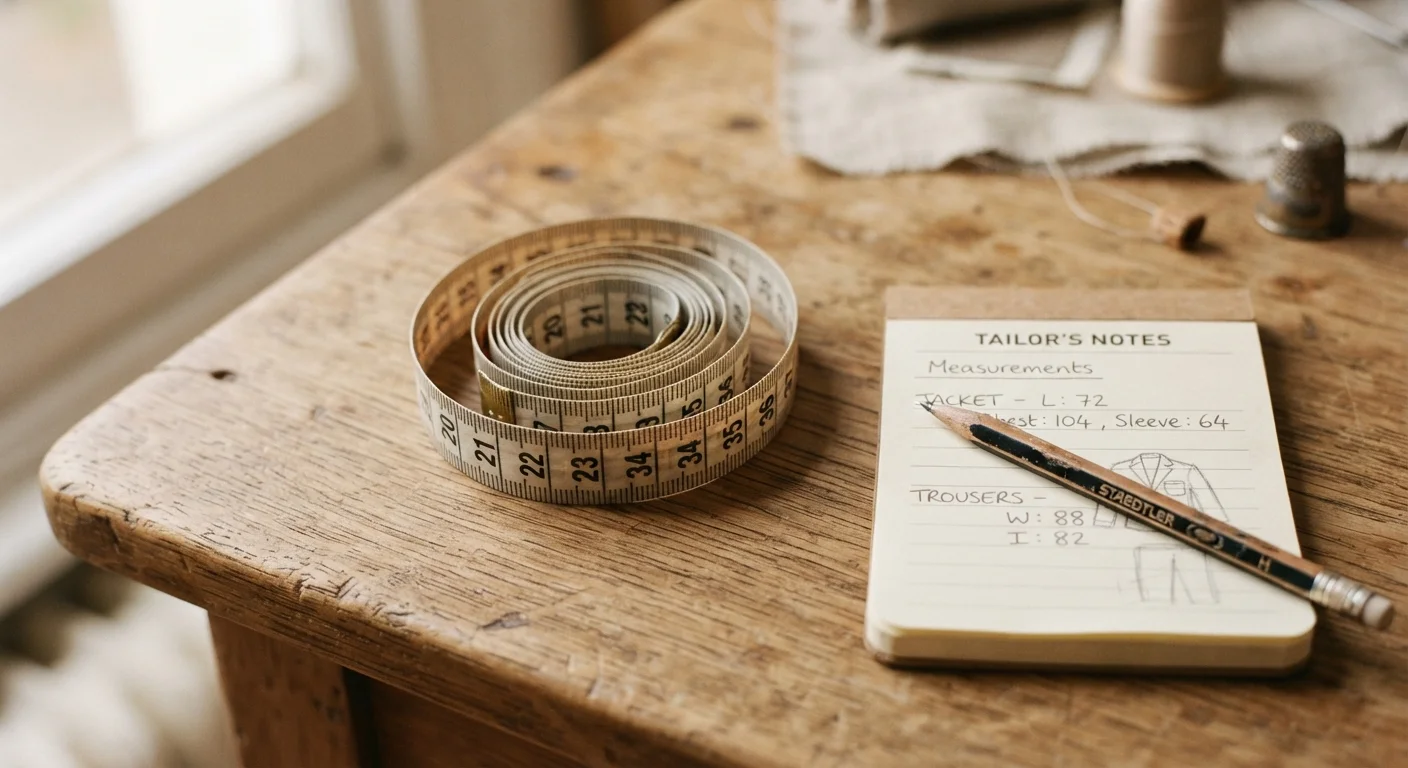
The most practical solution is to work from your own body measurements in inches rather than a remembered size label. You need three numbers: bust (at the fullest point), waist (at the narrowest point), and hips (about 7 to 9 inches below the natural waist). A soft fabric measuring tape works best; a hardware tape measure is too rigid to follow the body's contours accurately.
Once you have those numbers, go directly to the size chart the brand publishes on its website. Compare your measurements to the chart's listed ranges rather than your usual size label. If your measurements fall between two sizes, consider where the garment needs to fit most precisely. For a blazer, the shoulder and chest matter most. For jeans, the waist and hip measurements are the starting point.
Keep a measurement card handy
Write your bust, waist, and hip measurements on a small card or note in your phone. Before buying from any new brand, pull up that number and compare it directly to the brand's size chart. This takes about two minutes and removes most of the guesswork from online clothes shopping.
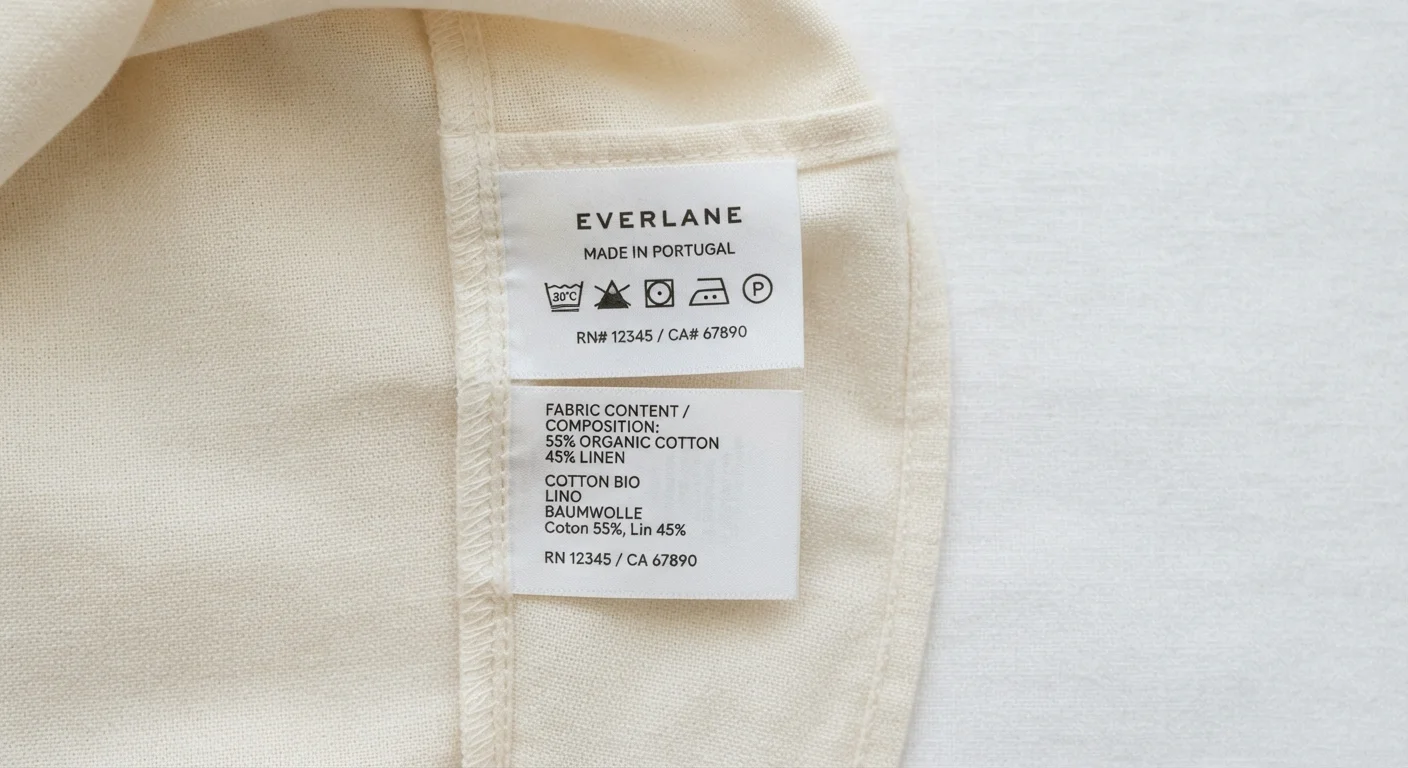
Fabric content also changes the equation. A garment with elastane (sometimes listed as spandex or Lycra on the label) will stretch to accommodate a broader range of measurements than a rigid woven fabric will. Reading the fabric label tells you how much give to expect before the item arrives. A structured linen blazer and a jersey knit blazer labeled identically may feel completely different on the same body.
Shopping smarter with size knowledge
Knowing your measurements also makes online returns less frequent, which matters when return shipping costs money or takes time. Before ordering, write down your three measurements, pull up the brand's chart, and check all dimensions listed, not just the number you normally reach for. Some brands also publish detailed fit notes describing whether a cut runs slim, relaxed, or true to the chart.
If a brand you have not bought from before carries customer reviews, those often contain practical sizing feedback. Phrases like "runs small in the shoulders" or "waist is generous" tell you more than the size number alone. That kind of information, combined with your measurements, puts the decision on concrete data rather than a label.
Size confusion also ties into the longer-term cost of clothing. Buying a garment that does not fit and never wearing it is a real expense, even if the price tag looked low. Understanding cost per wear can reframe how much a poor fit actually costs over time. And once a well-fitting piece is in your wardrobe, knowing how to care for it properly keeps it fitting well for longer. Caring for clothes correctly matters more than most shoppers realize.